 Nepal Visuals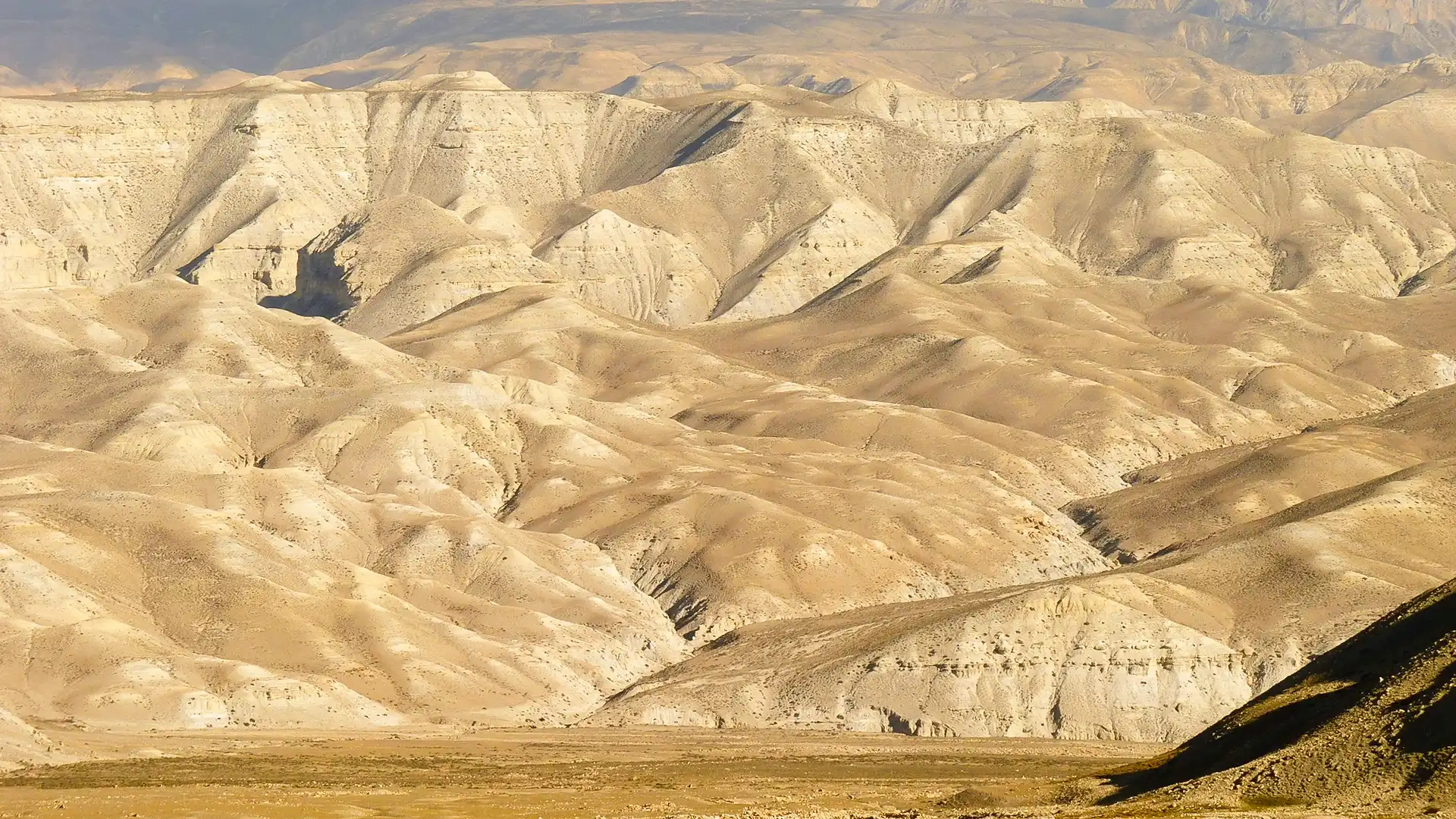
Mustang Region · Moderate grade
Upper Mustang Trek
The route
What the walk is.
The Upper Mustang Trek (14 Days) is a remarkable journey into one of Nepal’s most remote and culturally preserved regions, often referred to as the country’s last forbidden kingdom. Opened to foreign trekkers only in 1992, Upper Mustang offers a rare opportunity to explore an ancient Himalayan landscape where Tibetan Buddhist culture, traditions, and architecture have remained largely unchanged for centuries. This trek is ideal for travelers seeking cultural discovery as much as mountain scenery.
The adventure begins with a flight or drive to Jomsom, the gateway to the Mustang region, followed by a trek through dramatic trans-Himalayan terrain. Unlike the green hills found elsewhere in Nepal, Upper Mustang features a striking high-altitude desert landscape filled with deep canyons, wind-carved cliffs, colorful rock formations, and vast open valleys. Located in the rain shadow of the Annapurna and Dhaulagiri ranges, the region receives very little rainfall, making it one of the few trekking destinations suitable even during the monsoon season.
A major highlight of the trek is Lo Manthang (3,840 m), the ancient walled capital of the former Mustang Kingdom. Here, trekkers can explore narrow alleys, the royal palace, centuries-old monasteries, and traditional mud-brick homes. Visits to ancient gompas reveal rare Buddhist murals, statues, and scriptures that reflect the region’s deep spiritual heritage.
The trek also includes visits to mysterious sky caves carved high into cliff faces, believed to be over 2,000 years old, once used for meditation, burial, and shelter. Along the route, trekkers interact with the Loba people, whose lifestyle, language, and customs closely resemble Tibetan traditions.
With moderate difficulty and a maximum altitude of 3,840 meters, the trek is physically less demanding than many high Himalayan routes. Overall, the Upper Mustang Trek is perfect for those seeking a unique blend of culture, history, dramatic landscapes, and a truly off-the-beaten-path Himalayan experience.
General Information
Detail | Information |
Region | Mustang (Annapurna), Nepal |
Start/End Point | Jomsom (via Pokhara) |
Best Season | March-May, September-November, June-August |
Guide | Mandatory (restricted area) |
Special Permit | Upper Mustang Restricted Area Permit ($500) required |
A Kingdom Frozen in Time
Upper Mustang existed as an independent kingdom until 1951. When Nepal finally absorbed it, the region remained so isolated that traditional ways survived intact. The former royal family still lives in Lo Manthang's palace. Monks maintain rituals practiced for over 1,000 years. Villages follow agricultural cycles unchanged for generations. Walking through these settlements feels like time travel.
The government recognized this cultural treasure and restricted access until 1992. Even today, special permits limit visitor numbers. This protective isolation preserved what you'll experience: authentic Tibetan Buddhist culture, not reconstructed or performed for tourists, but genuinely lived every day.
Desert Landscapes in the Himalayas
Upper Mustang sits in the rain shadow of the Annapurna and Dhaulagiri ranges. While monsoon soaks the rest of Nepal, these valleys remain remarkably dry. The result? High-altitude desert landscapes more Tibetan than Nepali.
Picture barren hills colored rust, ochre, and grey. Wind-carved cliffs creating surreal formations. Ancient caves puncturing vertical rock faces. Sparse vegetation clinging to existence. Prayer flags snapping in constant wind. Snow peaks visible on distant horizons. This stark beauty offers photographers and adventure seekers something entirely unique.
The Walled City of Lo Manthang
Your destination is Lo Manthang, founded in 1380 as the capital of the Kingdom of Lo. This walled city remains remarkably preserved: original gates and walls still standing, the royal palace occupied by the king's descendants, four major monasteries holding priceless artifacts, narrow alleys between whitewashed mud-brick homes, and traditional daily life continuing within medieval walls.
You'll spend a full rest day here, time enough to visit all major sites, attend monastery ceremonies, explore surrounding villages, hike to nearby caves, and absorb the atmosphere of this extraordinary place.
Ancient Monasteries and Sacred Sites
Throughout Upper Mustang, ancient monasteries serve as both spiritual centers and cultural repositories. Some date back over 1,200 years, predating famous monasteries in Tibet. These aren't museum pieces but active religious sites where monks maintain traditions spanning centuries.
Key monasteries include:
Ghar Gompa: Over 1,200 years old, associated with Guru Rinpoche
Lo Gekar: Predates Tibet's Samye Monastery
Jampa Lhakhang: The "Red Gompa" towering over Lo Manthang
Thubchen Monastery: 15th-century treasure with exquisite murals
Village monasteries: Active centers of community spiritual life
Visiting these sites means witnessing morning prayers, smelling juniper incense, seeing centuries-old murals, and understanding how Buddhism shapes daily existence.
The Sky Caves Mystery
One of Upper Mustang's greatest enigmas: thousands of caves carved into cliff faces throughout the region. Many sit impossibly high, 50+ meters above valleys, with no apparent access routes. How did ancient peoples create and reach them? The mystery endures.
These caves served various purposes: meditation retreats for monks in isolation, living quarters for families, grain storage protected from raiders, burial chambers holding human remains, and sacred spaces with Buddhist murals and scriptures.
Near Chhoser village, you can explore accessible cave complexes, climbing through multi-level chambers and imagining the lives lived in this vertical architecture thousands of years ago.
Cultural Immersion with the Loba People
The Loba people have inhabited Upper Mustang for centuries, maintaining customs and traditions found nowhere else. They speak an ancient Tibetan dialect, practice traditional polyandry in some families (brothers sharing a wife to keep land undivided), follow agricultural methods unchanged for generations, celebrate festivals based on Buddhist lunar calendar, and maintain strong community bonds through shared labor.
Staying in family-run guesthouses provides genuine cultural exchange. You'll share meals, observe daily routines, learn about challenges of life in this harsh environment, and gain insight into how Buddhist philosophy shapes perspectives.
Why Choose 14 Days?
This itinerary balances comprehensive exploration with comfortable pacing: 11 trekking days covering all major sites, one rest day in Lo Manthang for thorough exploration, daily walking time of 3-7 hours (manageable for most), gradual altitude gain reducing sickness risk, time for meaningful cultural interactions, and relaxed schedule allowing spontaneous experiences.
Shorter treks exist, but this 14-day journey provides the complete Upper Mustang experience without feeling rushed.
Physical Requirements
Upper Mustang is rated moderate: maximum altitude 3,840m (lower than most Nepal treks), daily walking 3-7 hours at steady pace, good trails throughout (some rocky sections), no technical skills required, and suitable for fit travelers with basic trekking experience.
The challenge comes from duration (nearly two weeks of daily walking), wind exposure (constant in this region), sun intensity (desert environment at altitude), and cumulative effect of sustained effort.
Proper preparation makes this trek achievable for most active travelers. Start training 2-3 months ahead with regular cardio, practice 5-6 hour hikes, build endurance for consecutive days, and strengthen legs for gradual climbs.
Why Choose Nepal Visuals For This Upper Mustang Trek?
A forbidden kingdom that demands a specialist operator.
The Upper Mustang restricted area permit is among the most tightly regulated in Nepal, limited in number and requiring a licensed guide at all times. We navigate the full application process so your access to Lo Manthang is secured without complication.
Lo Manthang reached with the cultural context it deserves.
The ancient walled capital of the former Kingdom of Mustang is unlike anywhere else on earth. Our guides bring its 600-year history, living Buddhist traditions, and royal heritage to life in a way that transforms a walk through old streets into something genuinely memorable.
A rain shadow desert landscape unlike any other trek in Nepal.
Upper Mustang sits beyond the Himalayas in a high-altitude Tibetan plateau where the monsoon never reaches. Our itinerary is structured to let that extraordinary terrain, wind-carved cliffs, ancient cave monasteries, and ochre valleys, register fully rather than blur past.
Restricted area permits and documentation handled end to end.
The Upper Mustang permit, Annapurna Conservation Area permit, and TIMS card involve specific conditions and costs that change regularly. We manage every layer of the process and keep you informed at each stage so nothing delays your departure.
Every cost laid out before you confirm your place.
Upper Mustang carries some of the highest permit fees in Nepal trekking. We present the complete picture of what your 14 days will cost, permits included, before you book so there are no financial surprises waiting further down the trail.
Fourteen days paced to honour the depth of the route.
Upper Mustang rewards those who move through it slowly. Our itinerary builds in time at key villages, monasteries, and viewpoints so the 14 days feel like genuine immersion rather than a race to Lo Manthang and back.
Ancient cave monasteries and sky caves included in the journey.
The Chungsi Cave, Luri Gompa, and centuries-old cliff dwellings along the route are among the most remarkable archaeological sites in the Himalayas. Our guides know their locations, their stories, and the respectful way to approach them.
Mustangi and Loba community life encountered with respect.
The people of Upper Mustang maintain one of the most intact Tibetan cultures outside Tibet itself. Our guides introduce you to local families, monks, and village elders in a way that feels like a genuine exchange rather than a tourist transaction.
Logistics confirmed well before your flight to Jomsom.
The Kathmandu to Pokhara to Jomsom routing, teahouse bookings across the full 14-day route, and all permit paperwork are arranged in advance so the journey into the restricted zone begins cleanly from the moment you land in Jomsom.
Reachable support on a route with very limited connectivity.
Upper Mustang is one of Nepal's most isolated trekking destinations. Our team stays available via WhatsApp, Email, and Zoom throughout your journey so you always have a reliable point of contact regardless of where the trail takes you.
Your Upper Mustang departure is guaranteed from the day you book.
The planning involved in a restricted area trek of this calibre deserves an unconditional commitment in return. Every confirmed 14-day Upper Mustang booking departs as scheduled, regardless of group size, with no exceptions.
Day by day
Where you sleep, night by night.
Kathmandu → Kathmandu · highest point 3,840 m
- Day 01Hotel (Twin Sharing) · Welcome Dinner1,400 m
Your Nepal Visuals representative meets you at Tribhuvan International Airport and transfers you to your hotel in Thamel. Welcome briefing over dinner this evening.
- Day 022-Star Hotel (Twin Sharing) · Breakfast, Lunch, Dinner822 m
Scenic drive along the Prithvi Highway through terraced hillsides, the Trishuli River valley, and traditional villages. Arrive Pokhara late afternoon. Evening free at Phewa Lake.
- Day 03Tea House/ Lodge (Twin Sharing) · Breakfast, Lunch, Dinner2,804 m
Early morning drive through the Kali Gandaki gorge, the world deepest valley, to Jomsom. Continue to Kagbeni, the medieval gateway where restricted area permits are checked. Explore the ancient red-walled monastery and windswept chortens.
- Day 04Tea House/ Lodge (Twin Sharing) · Breakfast, Lunch, Dinner3,070 m
The trail takes you through narrow valleys and rocky terrain past whitewashed villages typical of Upper Mustang. Arrive in Chele with breathtaking views of the surrounding peaks.
- Day 05Tea House/ Lodge (Twin Sharing) · Breakfast, Lunch, Dinner3,500 m
A beautiful mix of rugged cliffs and tranquil juniper forests passing through Samar village. After 5-6 hours arrive in Geling where peaceful surroundings invite reflection on the ancient culture encountered so far.
- Day 06Highest point · Tea House/ Lodge (Twin Sharing) · Breakfast, Lunch, Dinner3,840 m
Trek through the high plateau of Lo, past ancient chortens and prayer walls with otherworldly red and ochre cliffs. Pass through Charang and its 400-year-old dzong before arriving at Lo Manthang, the walled capital of the Forbidden Kingdom, largely unchanged for 600 years.
- Day 07Highest point · Tea House/ Lodge (Twin Sharing) · Breakfast, Lunch, Dinner3,840 m
A full day inside the ancient walled city. Visit Thubchen Gompa, Jampa Lhakhang, and the royal palace. Optional excursion to the ancient cliff caves of Chhoser Village, sky caves carved into vertical canyon walls over 3,000 years ago.
- Day 08Tea House/ Lodge (Twin Sharing) · Breakfast, Lunch, Dinner3,500 m
Begin the return journey south. Descend to Ghami, a prosperous village with a 400-metre-long mani wall, one of the longest in Nepal, with a dramatic red cliff backdrop.
- Day 09Tea House/ Lodge (Twin Sharing) · Breakfast, Lunch, Dinner2,950 m
Trek through the Mustang plateau passing Tsarang Monastery and the crumbling Tsarang Dzong. Continue descending toward Chhusang, a quiet village at the river confluence below.
- Day 10Tea House/ Lodge (Twin Sharing) · Breakfast, Lunch, Dinner3,800 m
Descend to Kagbeni then climb to Muktinath, one of the most sacred pilgrimage sites for Hindus and Buddhists alike. The temple complex has 108 water spouts and an eternal flame. The Dhaulagiri-Annapurna panorama is unforgettable at sunrise.
- Day 11sleep 2,700 m · Tea House/ Lodge (Twin Sharing) · Breakfast, Lunch, Dinner3,800 m
Descend back to Jomsom following the Kali Gandaki River with apple orchards and mountain walls on either side. Arrive in Jomsom where you can relax and celebrate the completion of your Upper Mustang journey.
- Day 122-Star Hotel (Twin Sharing) · Breakfast, Lunch, Dinner1,400 m
Morning flight from Jomsom to Pokhara with panoramic Annapurna and Dhaulagiri views. Board a tourist bus for the drive back to Kathmandu. Arrive evening for a farewell dinner.
- Day 13Hotel (Twin Sharing) · Breakfast1,400 m
Drive back to Kathmandu along the Prithvi Highway. Arrive Kathmandu in the evening. Final rest before departure.
- Day 14Breakfast1,400 m
Our representative transfers you to Tribhuvan International Airport for your flight home. Carry with you the memories of the Forbidden Kingdom, a world apart.
Fixed departures
12 group dates open.
144 places across them. Or start on any flexible date in the calendar below.
| Departure | Booked | Filling | Left | Status | Book |
|---|---|---|---|---|---|
| Sat, Mar 6, 2027 | 0/12 | 12 | Available | ||
| Sat, Mar 20, 2027 | 0/12 | 12 | Available | ||
| Sat, Apr 3, 2027 | 0/12 | 12 | Available | ||
| Sat, Apr 17, 2027 | 0/12 | 12 | Available | ||
| Sat, May 1, 2027 | 0/12 | 12 | Available | ||
| Sat, May 15, 2027 | 0/12 | 12 | Available | ||
| Sat, Sep 4, 2027 | 0/12 | 12 | Available | ||
| Sat, Sep 18, 2027 | 0/12 | 12 | Available | ||
| Sat, Oct 2, 2027 | 0/12 | 12 | Available | ||
| Sat, Oct 16, 2027 | 0/12 | 12 | Available | ||
| Sat, Nov 6, 2027 | 0/12 | 12 | Available | ||
| Sat, Nov 20, 2027 | 0/12 | 12 | Available |
Prices are per person, twin share, in USD. Book with a 20 % deposit — the balance is due 7 days before departure. Scheduled departures show places left; flexible departures can be booked on any listed start date. Booking terms
| Su | Mo | Tu | We | Th | Fr | Sa |
|---|---|---|---|---|---|---|
| 1 | 2 | 3 | ||||
| 4 | 5 | 6 | 7 | 8 | 9 | 10 |
| 11 | 12 | 13 | 14 | 15 | 16 | 17 |
| 18 | 19 | 20 | 21 | 22 | 23 | 24 |
| 25 | 26 | 28 | 29 | 30 |
- Selected trip dates
- Available
- Filling fast
- Almost sold out
- Sold out
Tue, Oct 27Mon, Nov 9, 2026
14 days · flexible departure
- StartsTue, Oct 27, 2026 · Kathmandu
- EndsMon, Nov 9, 2026 · Kathmandu
USD $1,610 per person, twin share · Deposit today USD $322 (20 %)
On the trail
Photographs from the route.
The whole number
What the price covers.
15 things are in the price and 12 more are named as excluded.
In the price
Transportation & Logistics
- ✓Mountain Airfare · One-way trip airfare between Pokhara-Jomsom and airport taxes.
- ✓Ground Transfers · Airport pickup and drop on a tourist vehicle.
- ✓Permits & Official Fees · All conservation fees, permit fees, and government taxes.
- ✓Official Liaison · Coordination with relevant government offices.
Professional Support & Safety
- ✓Expert Leadership · Govt. certified highly experienced English speaking helpful, knowledgeable and friendly trekking guide.
- ✓Group Support · An assistant guide provided for groups of 8 or more people.
- ✓Staff Welfare · All wages, meals, lodging, transportation, and insurance for guides and porters.
- ✓Health Monitoring · First aid kit and an oximeter used twice a day to check pulse, oxygen levels, and heart rate.
- ✓Emergency Coordination · Helicopter service arrangement for emergencies (cost covered by travel insurance).
Accommodation & Meals
- ✓City Stay · 3-Star accommodation at Pokhara on BB plan.
- ✓Trek Nutrition · Full board standard meals (breakfast, lunch, and dinner) during the trek.
- ✓Trail Lodging · The best available tea-house/lodge during trekking.
- ✓Celebratory Dining · Complimentary Farewell dinner at a typical Nepalese restaurant in Kathmandu.
Gear & Recognition
- ✓Trekking Essentials · Duffle bags and trekking poles in case you don’t have your own.
- ✓Official Achievement · Trek Completion Certificate from Nepal Visuals.
Not included
Flights, Visas, and Logistics
- ×International Travel · International flight fare and airport departure tax.
- ×Entry Requirements · Nepal Entry Visa and Visa extension fees (USD 50 for 30 days and USD 125 for 90 days).
- ×Baggage Overages · Extra baggage charges.
- ×Miscellaneous · Any expenses other than the Price Inclusion Section.
Personal Protection & Optional Services
- ×Mandatory Insurance · Travel and Medical Insurance (Compulsory).
- ×Optional Support · Porter (You can hire one for USD 290).
- ×Rescue Costs · Charges for emergency rescue or evacuation by helicopter, if needed.
- ×Individual Gear · Personal trekking gears and equipment.
Trail & City Expenses
- ×Teahouse Amenities · Other charges at lodges/tea houses such as showers, internet access, battery re-charging, hot water and extra hot drink.
- ×Beverages · Alcoholic and non-alcoholic drinks.
- ×Extended Stays · Any additional night’s accommodation in Kathmandu or Pokhara owing to early arrivals, late departures, or early returns from the trek.
Professional Tips and Gratuity
- ×Staff Appreciation · Tips for the guides and porters.
Moderate grade
Is this trek right for you?
You can do this if…
- ✓Walk 5–6 hours a day, some of it steep
- ✓Carry a 5–8 kg daypack
- ✓Comfortable with several days in a row on foot
Recommended preparation
- ✓2–3 months of regular cardio (walking, running, cycling)
- ✓Weekend hikes with a loaded pack
- ✓Read the altitude notes below — you will sleep above 3,000 m
Experience & support
- ✓A good first Himalayan trek
- ✓Guided throughout — a licensed guide is required on Nepal treks
- ✓Unsure about age, health or fitness? Ask us — we tailor the pace
About three months out? Follow our free 12-week trek fitness plan.
Good to know
Additional information.
Accommodation and Meals
Kathmandu & Pokhara (Days 1, 13, 14)
3-star hotels with private bathrooms, hot showers, WiFi, restaurants, comfortable beds. Modern amenities before and after the trek.
Upper Mustang Villages (Days 2-12)
Standards vary by location:
Kagbeni to Charang: Better facilities, multiple lodge options, some solar hot water, occasional WiFi, mix of Western and squat toilets, clean basic rooms.
Lo Manthang: Best facilities in Upper Mustang, several quality lodges, some attached bathrooms, charging available, limited WiFi, dining rooms with heating.
Return Route: Basic teahouses, adequate facilities, authentic local atmosphere, shared bathrooms, simple but clean.
Room Setup: Twin-sharing standard (two single beds), private rooms available in larger villages (extra cost), shared bathrooms most common, basic bedding (bring sleeping bag), heating limited to dining rooms.
Meals
Typical Menu: Dal bhat (Nepali staple with unlimited refills, most nutritious option), Tibetan bread (tingmo, various preparations), thukpa (hearty noodle soup), tsampa (roasted barley flour, traditional Tibetan), momos (dumplings, fried or steamed), yak meat dishes (local specialty), butter tea (traditional, acquired taste), apple products (Mustang apples are famous).
Meal Pattern: Breakfast 7-8 AM before starting trek, lunch at midday village (2-3 hour break), dinner 6-7 PM (early due to cold and lack of heating).
Food Quality: Simple, hearty, and safe. Locally sourced when possible. Tibetan cooking methods. Vegetarian options always available. Meat quality better in larger villages. Special dietary needs require advance notice.
Pricing: Increases with remoteness from Jomsom. Typical meal NPR 600-1,200 ($5-10). Lo Manthang slightly higher. Tea NPR 100-200, coffee 150-300, beer 500-800 (if available).
Before you book
Questions we get most.
Permits & Regulations
Is Upper Mustang still a restricted area in 2026?
Yes. Upper Mustang remains a "Special Restricted Area." You cannot trek here solo; you must have a minimum of two trekkers in your group and be accompanied by a licensed government guide at all times.
How much does the permit cost now?
There has been a major update for 2026: The government has introduced a flexible $50 per day Restricted Area Permit (RAP). While the traditional 10-day/$500 permit still exists for long loops, you now only pay for the exact days spent north of Kagbeni. You also need an ACAP permit (approx. $23).
Can I hire a porter for this trek?
Absolutely. It is highly recommended to hire a porter through your agency to handle the high-altitude exertion. A porter typically carries 15–20kg (shared between two trekkers) and costs roughly $20–$25 per day, which includes their insurance, food, and lodging.
Difficulty & Terrain
What is the maximum altitude on this trek?
The highest point on the standard 14-day itinerary is usually the Marang La Pass (4,230m) or the Lo La Pass (3,950m). Most overnight stays, including the ancient capital of Lo Manthang, are situated around 3,800m.
How difficult is the Upper Mustang trek?
It is rated as Moderate. While the altitudes are lower than Everest or the Thorong La Pass, the terrain is a high-altitude desert—arid, rocky, and often very windy. You should be physically prepared to walk 5–7 hours daily.
What are the road conditions like in 2026?
A rough motor road now reaches all the way to the Tibet border. While this makes jeep tours possible, trekkers can still follow "Natural Trails" away from the road to preserve the authentic experience. Expect dusty conditions, especially during the windy afternoons.
Health & Climate
Is altitude sickness (AMS) common here?
Because you spend several days above 3,500m, AMS is a risk. However, the ascent is more gradual than other major treks. Symptoms include headaches and nausea; your guide will monitor you with an oximeter daily to ensure your safety.
Can I do this trek during the Monsoon (June–August)?
Yes! This is one of the few treks in Nepal that is perfect for the Monsoon season. Since it lies in the rain shadow of the Himalayas, the weather stays dry and clear while the rest of Nepal faces heavy rain and clouds.
How do I prevent sickness in the desert climate?
Hydration is key. Because the air is extremely dry, you lose moisture rapidly through breathing. Aim for 4–5 liters of water daily and wear a "Buff" or face mask to protect your throat from the "Mustang cough" caused by wind and dust.
Logistics & Gear
What is the accommodation like in the "Forbidden Kingdom"?
You will stay in traditional teahouses. While basic, many in Lo Manthang and Charang now offer improved facilities like Wi-Fi and attached bathrooms. Note that electricity can be spotty, so a solar power bank is highly useful.
Is there mobile network or Wi-Fi available?
Ncell and NTC work in major villages like Jomsom, Kagbeni, and Lo Manthang, but signals are weak in between. Most teahouses offer Wi-Fi for a small fee ($3–$5), though it can be slow due to the remote desert location.
What should I pack for the Mustang wind?
Windproof gear is more important here than rain gear. A high-quality windcheater/hard-shell jacket, polarized sunglasses to protect against dust, and heavy-duty lip balm are essential for the fierce afternoon winds in the Kali Gandaki valley.
Expedition Strategy & Highlights
What are the "Grand Highlights" of a 14-day itinerary?
A 14-day trip allows for a deep exploration of the "Forbidden Kingdom." Beyond the walled capital of Lo Manthang, you will visit the ancient Ghar Gompa (the oldest monastery in Mustang), the mysterious "Sky Caves" of Chhoser, and the nomadic summer pastures near the Tibet border.
Is there a specific "Trek vs. Jeep" strategy for 14 days?
In 2026, many travelers choose a hybrid "Fly-Trek-Drive" model. You fly from Pokhara to Jomsom, trek north through the traditional villages of Chhuksang and Ghami to preserve the cultural experience, and then use a private 4WD Jeep for the return journey to save time and avoid walking on the dusty main road.
Cultural Etiquette
How should I behave in the ancient monasteries of Lo Manthang?
Upper Mustang follows strict Tibetan Buddhist traditions. Always walk clockwise around chortens and mani walls. When entering a gompa, remove your hat and shoes, and always ask your guide before taking photos of the centuries-old murals or statues, as some are considered too sacred for flash photography.
What is the significance of the "Tiji Festival" for trekkers?
If your 14-day trek coincides with May, you can witness the Tiji Festival in Lo Manthang. This three-day ritual involves masked dances by monks to chase away demons. It is the most popular time for the trek, so permits and teahouses must be booked at least six months in advance.
Village Life & Traditions
What is unique about the architecture in Upper Mustang?
The villages are famous for their white-washed mud-brick houses and flat roofs stacked with firewood, a symbol of wealth in this treeless desert. In 14 days, you will see how these structures are designed to block the fierce afternoon winds while trapping the intense Himalayan sun for warmth.
Are there any "Hidden Valleys" included in a 14-day loop?
Yes, a longer itinerary often includes a detour to the village of Yara and the Luri Gompa cave monastery. This area features dramatic "organ-pipe" sandstone cliffs and is far less visited than the main trail, offering a quieter, more rugged experience of the Mustang landscape.
Nutrition & Local Flavors
What is "Tibetan Butter Tea" and should I drink it?
Known locally as Su-Chya, this tea is made with salt and yak butter. It is an acquired taste but highly functional for the desert climate; the salt helps with hydration and the fat protects your lips and throat from the dry, cracking wind.
Is the food different from the rest of Nepal?
While Dal Bhat is available, the local diet focuses on barley, buckwheat, and potatoes. You must try "Thukpa" (noodle soup) and local apricot products. In 2026, many teahouses also serve "Mustang Coffee," which is a potent local blend often spiked with a bit of traditional mountain spirit.
Tech & Power Management
How do I manage charging for a 14-day expedition?
While Jomsom and Lo Manthang have reliable electricity, smaller villages like Samar rely on solar power. In 2026, most lodges charge $3–$6 per device. Carrying a high-capacity power bank is essential, as the cold desert nights can drain phone batteries even when not in use.
Is "Everest Link" available in Upper Mustang?
No, the Everest Link network is exclusive to the Khumbu. In Mustang, lodges use local satellite Wi-Fi or "WorldLink" hotspots. It is generally faster than the EBC network but can be completely knocked out by the high-velocity sandstorms that typically occur between 2:00 PM and 5:00 PM.
Environmental Rules
What is the "Zero Waste" policy for the Mustang desert?
The Mustang landscape is incredibly fragile and doesn't decompose waste easily. In 2026, trekkers are strictly required to "Pack-In, Pack-Out" all plastics and tins. Using water purification tablets instead of buying plastic bottles is now a mandatory expectation from the local community leaders.
Are "WAG Bags" required for this trek?
Unlike the Everest region, human waste bags are not yet mandatory for teahouse trekkers in Mustang. However, for those doing 14-day camping treks in remote corners like the Damodar Kund, the 2026 regulations require self-contained waste management to protect the sacred water sources of the high desert.
Still have a question? WhatsApp us →