 Nepal Visuals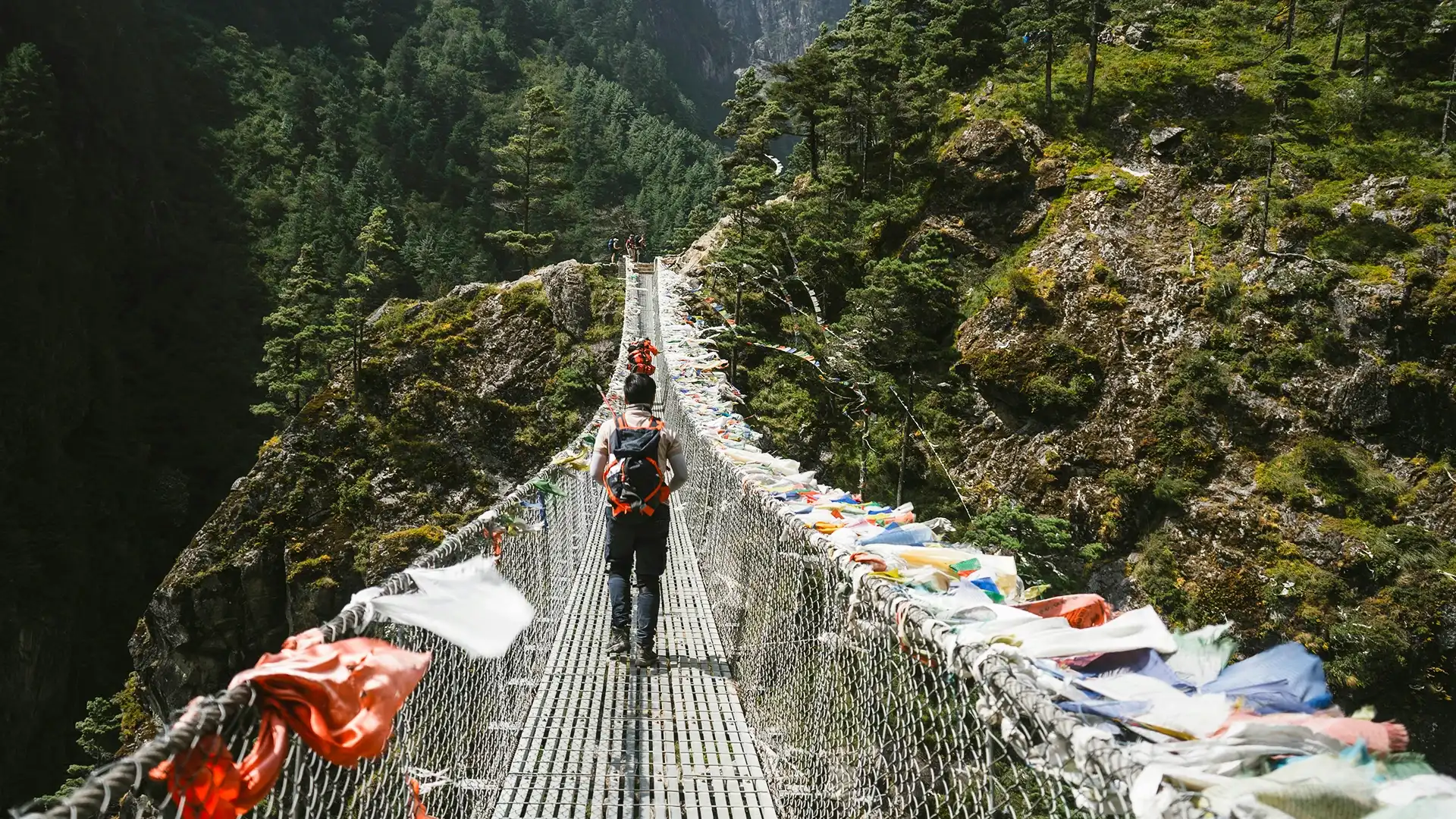
Can you trek to Everest Base Camp without a guide? This comprehensive article explores everything you need to know about undertaking the iconic EBC route solo—from navigating the Khumbu valleys to budget breakdowns and critical safety protocols.
On this page(8)
1. Why Trek Everest Base Camp Solo?
Standing at the foot of the world’s tallest mountain is a dream shared by adventurers worldwide. For many, the ultimate way to experience this landscape is through a solo pilgrimage. Trekking independently to Everest Base Camp (EBC) offers an unparalleled sense of freedom, allowing you to set your own pace, connect deeply with local Sherpa culture, and immerse yourself in the majestic silence of the Himalayas.
However, embarking on this high-altitude journey without an organized agency requires rigorous preparation, physical resilience, and careful logistical planning. This guide covers everything you need to know before attempting the Everest Base Camp trek solo.
Complete Flexibility
One of the biggest advantages of independent trekking is the ability to control your own schedule. If you need an additional acclimatization day in Namche Bazaar or want to spend extra time exploring a village, you can adjust your itinerary without group constraints.
Cultural Immersion
Solo trekkers often interact more closely with teahouse owners, porters, guides, and fellow hikers. These conversations frequently become some of the most memorable parts of the journey.
Financial Savings
Managing your own permits, accommodation, and meals can significantly reduce overall trekking costs compared to joining a fully organized package.
2. Permits and Regulations for Solo Trekkers
Before beginning your trek, you must obtain the required permits for the Khumbu region.
Khumbu Pasang Lhamu Rural Municipality Permit
This local permit can be obtained in Lukla or Monjo and generally costs around NPR 3,000.
Sagarmatha National Park Entry Permit
This permit can be purchased in Kathmandu or at Monjo before entering the national park. The cost is approximately NPR 3,000 plus applicable taxes.
Important: Always verify the latest regulations before departure, as trekking policies can change periodically.
3. The Ideal 12-Day Solo EBC Itinerary
Acclimatization is the most important factor for a safe and successful Everest Base Camp trek. Following a gradual ascent schedule greatly reduces the risk of altitude sickness.
Day 1: Lukla to Phakding
After landing at Lukla Airport (2,860m), begin a relatively easy trek to Phakding (2,610m) along the Dudh Koshi River.
Day 2: Phakding to Namche Bazaar
Cross suspension bridges, enter Sagarmatha National Park, and complete the steep ascent to Namche Bazaar (3,440m).
Day 3: Acclimatization in Namche Bazaar
Hike to Everest View Hotel for panoramic mountain views before returning to Namche to sleep.
Day 4–8: Tengboche, Dingboche, Lobuche and Everest Base Camp
Continue through the classic Khumbu route while gradually gaining elevation and allowing proper acclimatization.
Day 9–12: Kala Patthar, Descent and Return Flight
Visit Kala Patthar for sunrise views of Everest before descending through Pheriche, Namche Bazaar, and Lukla for your flight back to Kathmandu.
4. Altitude Safety: The Most Important Consideration
Atmospheric pressure decreases rapidly with altitude. At Everest Base Camp, available oxygen is roughly half of what is experienced at sea level.
Never skip acclimatization days. Proper acclimatization remains the single most effective defense against Acute Mountain Sickness (AMS).
Recognizing AMS Symptoms
Watch for headaches, nausea, dizziness, fatigue, insomnia, and loss of appetite. Descend immediately if symptoms worsen.
5. Solo Trek Cost Breakdown
Independent trekking is generally the most budget-friendly way to reach Everest Base Camp.
Accommodation
Expect to pay between $3 and $7 USD per night in most teahouses, depending on altitude and season.
Meals
Meals generally cost between $5 and $10 USD per dish, with prices increasing at higher elevations.
Additional Services
Hot showers, charging electronics, and Wi-Fi access usually incur separate fees ranging from $2 to $5 USD.
6. Essential Safety Tips for Independent Hikers
Purchase Proper Travel Insurance
Ensure your policy covers emergency helicopter evacuation to at least 6,000 meters.
Stay Connected
Purchase an NTC or Ncell SIM card in Kathmandu before departure. Coverage varies depending on location and weather conditions.
Respect Mountain Weather
Conditions can change rapidly in the Himalayas. Start trekking early each day and avoid traveling late in the afternoon whenever possible.
7. Conclusion: Is a Solo Everest Base Camp Trek Worth It?
Completing the Everest Base Camp trek solo is one of the most rewarding adventures in the Himalayas. It provides freedom, cultural immersion, and a profound sense of personal achievement.
By preparing thoroughly, respecting altitude, and maintaining flexibility throughout the journey, independent trekkers can safely experience one of the world's most iconic hiking routes.
Plan your solo EBC trek
Before you go, check the Nepal trekking permits and costs and read whether you need a guide for trekking in Nepal. Use our Everest Base Camp packing list to prepare, or join a small group on the 14-day Everest Base Camp trek or the faster 12-day itinerary.
Sharing route guides and trail experience from the high trails of Nepal.