 Nepal Visuals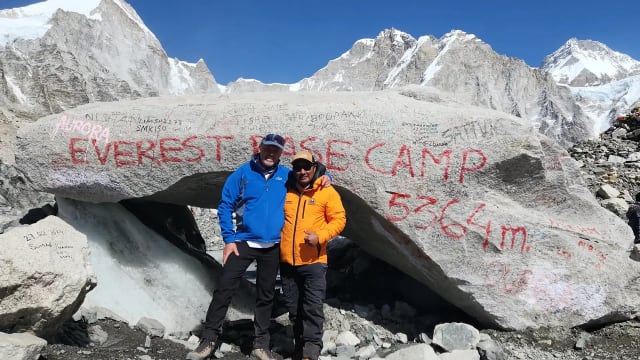
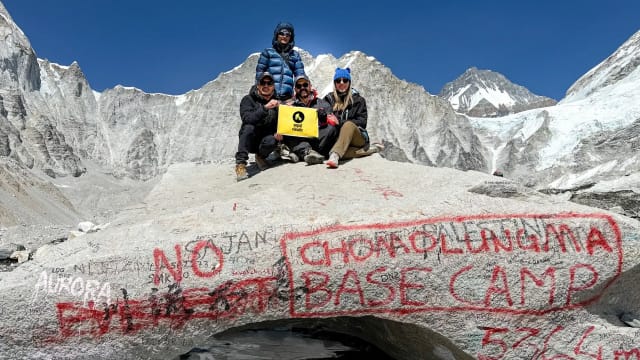
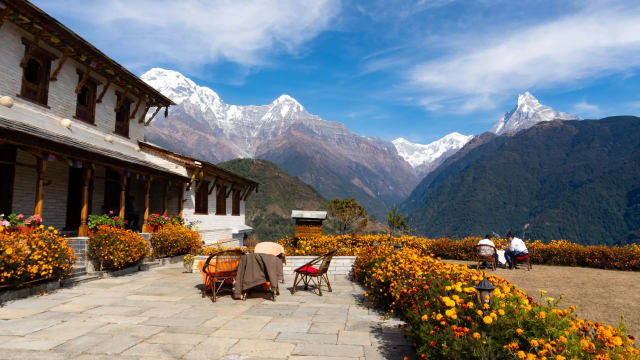
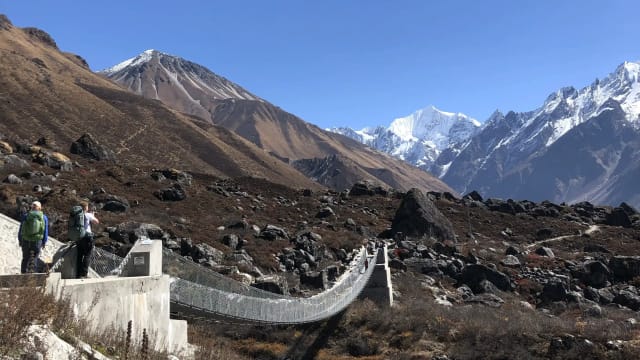
Everest Base Camp Trek with Nepal Visuals (Oct 7–19) We booked our Everest Base Camp Trek with Nepal Visuals from October 7th to 19th, and it was an absolutely wonderful experience from start to finish! Communication from Resh was very prompt and professional throughout the planning and during the trek. We were warmly welcomed at the airport by CEO Resh himself, which was a very nice personal touch. Our guide, Rupesh, was knowledgeable, caring, and always made sure we were comfortable and safe. Our porters, Tara and Ratna, were incredibly hardworking and kind — they not only carried our duffel bags to the next destination ahead of time but even returned to help us with our daypacks. Truly amazing teamwork! All our lodges were comfortable, and the food (breakfast, lunch, and dinner) was well arranged and as described. The overall logistics were smooth, and we felt well taken care of throughout. At the end of the trek, Nepal Visuals organized a farewell dinner at an authentic Nepalese restaurant, which was the perfect way to conclude an unforgettable journey — the icing on the cake! I would highly recommend Nepal Visuals to anyone planning their next trekking adventure in Nepal. They go above and beyond to make the experience memorable.
Licensed Nepali operatorTAAN member #2585
Trek Nepal, One Ridge at a Time
Guided treks across Everest, Annapurna, Manaslu and Langtang — licensed Nepali guides, small groups, transparent pricing.
- 5.0★★★★★8 reviews
- 700K+Instagram followers
- Secure paymentsProcessed by Stripe
- 24/7Trek support
Most Popular
Best Selling Treks.
Filter by region, grade and length. Prices follow the currency you pick at the top of the page.
Fixed departures
Upcoming group departures.
3351 places open across 280 scheduled departures on 23 treks. Pick a date to book straight into it.
Everest Base Camp Trek
Departs 7 November 2026. 7 – 20 Nov 202614 daysChallenging3 travellers have joined
Guaranteed9 of 12 places leftFrom, per person$1,499Everest Base Camp Trek
Departs 21 November 2026. 21 Nov – 4 Dec 202614 daysChallenging
Available12 of 12 places leftFrom, per person$1,499Everest Base Camp Trek
Departs 5 December 2026. 5 – 18 Dec 202614 daysChallenging
Available11 of 12 places leftFrom, per person$1,499Everest Base Camp Trek
Departs 19 December 2026. 19 Dec 2026 – 1 Jan 202714 daysChallenging5 travellers have joined
Guaranteed7 of 12 places leftFrom, per person$1,499Gokyo Lakes and Ri Trek
Departs 6 March 2027. 6 – 17 Mar 202712 daysChallenging
Available12 of 12 places leftFrom, per person$1,230Everest Panorama Trek
Departs 6 March 2027. 6 – 12 Mar 20277 daysModerate
Available12 of 12 places leftFrom, per person$960
No group date that suits? Every trek also has flexible start dates on its own calendar. Browse all treks
5–9 Days
Short Treks.
Himalayan routes you can finish inside a fortnight — 5 to 9 days on the trail, shortest first.
Our travel philosophy
We design the days you'll retell for decades.
We started Nepal Visuals because we think mountain travel should be slower and more respectful. So we run fewer, better trips each year. That leaves time to plan properly for safety and to get to know everyone who comes with us.
Planned by insiders
Our lead guides were born at altitude. The routes come from what they know.
Small by design
No group has more than eight guests, and our guides work for us all year.
Travel that gives back
We pay porters above the TAAN minimum wage and stay in locally owned teahouses.
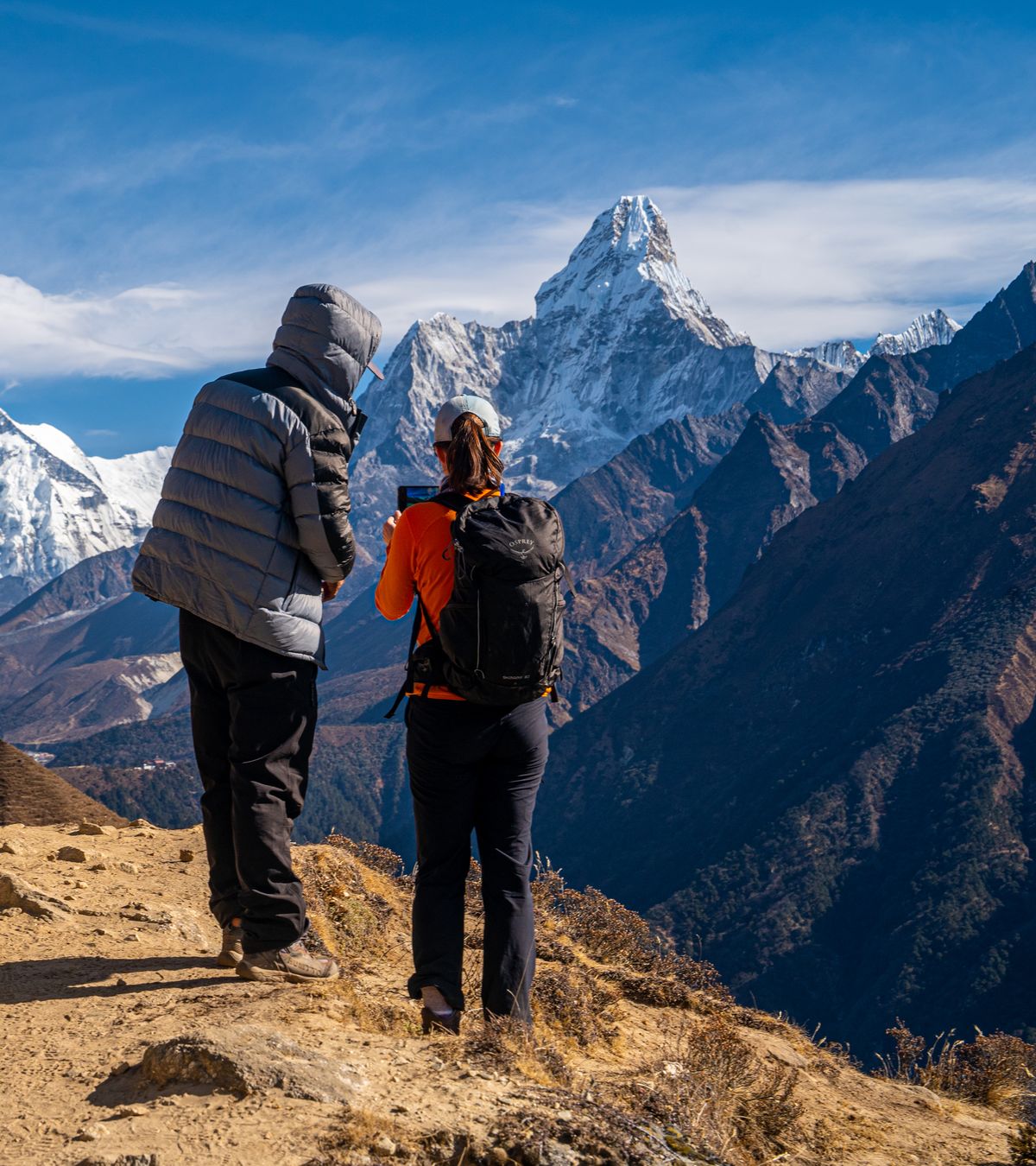
“Trips made with care, and with respect for the people who live along the trail.”
Echoes of the Peaks
Stories from the Trail.
Everest Base Camp Trek with Nepal Visuals (Oct 7–19) We booked our Everest Base Camp Trek with Nepal Visuals from October 7th to 19th, and it was an absolutely wonderful experience from start to finish! Communication from Resh was very prompt and professional throughout the planning and during the trek. We were warmly welcomed at the airport by CEO Resh himself, which was a very nice personal touch. Our guide, Rupesh, was knowledgeable, caring, and always made sure we were comfortable and safe. Our porters, Tara and Ratna, were incredibly hardworking and kind — they not only carried our duffel bags to the next destination ahead of time but even returned to help us with our daypacks. Truly amazing teamwork! All our lodges were comfortable, and the food (breakfast, lunch, and dinner) was well arranged and as described. The overall logistics were smooth, and we felt well taken care of throughout. At the end of the trek, Nepal Visuals organized a farewell dinner at an authentic Nepalese restaurant, which was the perfect way to conclude an unforgettable journey — the icing on the cake! I would highly recommend Nepal Visuals to anyone planning their next trekking adventure in Nepal. They go above and beyond to make the experience memorable.
 baba Kale11 months ago · Google review
We had a great experience on the Everest Base Camp trek with Nepal Visuals. Our guide Rupesh was very knowledgeable and patient with our many questions and many, many photo sessions during the trek. Resh, the CEO, was responsive and did a great job of taking care of our needs the entire time we were in Nepal. Wonderful experience overall, I would definitely book another trek with Nepal Visuals again.
“Nepal Visuals” planned the whole Everest Base Camp trek very well, they were always in control of different situations & the guide was very helpful, calm & explaining everything in detail. Resh was very prompt in answering all our questions before trek & took very good care of our family upon arrival in Kathmandu till we left. We recommend Nepal Visuals to all our friends & will definitely use them when we plan our Annapurna trek.
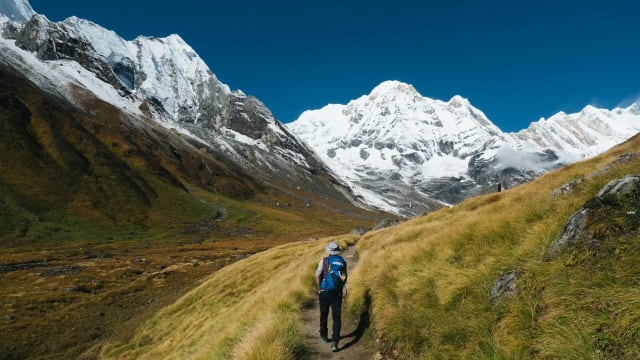
Our 5-day trekking to ABC with Nepal Visual was an amazing experience. Appreciate how our guide Ropesh managed the trekking professionally based on our pace and secured our safety during the tough weather condition. He took good care of us throughout the journey by checking on our needs and health condition. Our porter is efficient and kept our stuffs well.
I would like to thank Nepal Visuals for organizing my ABC Camp trek. It was a truly humbling experience and something I will always remember. This journey would not have been possible without my serious yet excellent guide, Ropesh. His patience and understanding throughout the trek were truly commendable. During the 5-day hike, there were times when I wasn’t feeling my best or wasn’t very talkative, but he always respected that and supported me quietly and professionally. A big thank you as well to my quiet yet highly efficient porter. You both were amazing and made this experience so much better. See you around. Namaste.
I recently completed the Everest Base Camp trek with Nepal Visuals, and I couldn't be happier with my choice. From start to finish, everything was handled perfectly.Our guide was experienced, attentive, and genuinely cared about our safety and acclimatization. The teahouse bookings, permits, and transport were all arranged seamlessly.If you're considering EBC or any trek in Nepal, go with Nepal Visuals. They deliver on every promise and make you feel like family. And a special shoutout to the best guide you could ask for—Rupesh. His knowledge, patience, and positive energy turned a challenging trek into an unforgettable adventure. Highly recommended – 10/10!
In November 2024, I had the opportunity to make use of Nepal Visuals to plan a trek to Everest Base Camp. Communication was great with the planning, accommodation, itinerary and trek information before I left. When I arrived I was met by the team in Kathmandu and they really did a great job in looking after me, including a welcome dinner and briefing session. They had everything arranged, including the flights to Lukla and back, as well as a really experienced, English speaking guide and a friendly capable porter. The trek went without a hitch, teahouse accommodation and 3 meals a day were provided. There seem to be hundreds of trekking and expedition companies in Nepal, however, I would be careful to do your research and make sure you choose a experienced company like Nepal Visuals. I will definitely be back to do another trek soon and would have no hesitation to make use of them again. Thank you Nepal Visuals for the fun, memorable experience.
Desde Cañete, Chile a la Magia del Everest Base Camp con “Nepal Visual” El sueño de alcanzar el Campamento Base del Everest se hizo realidad para Luis y yo, Laura, al partir de Cañete, Chile el 30 de septiembre de 2025. Tras el viaje, aterrizamos en Katmandú el día 2 de octubre, donde la calidez de nuestro guía, Prim, nos dio la bienvenida. Al día siguiente, comenzó nuestra épica caminata. Antes de escribir estas líneas, estuve revisando la logística que Nepal Visual proponía para el viaje, debo confesar que fue superada con creces. Todo salió perfecto, demostrando un nivel de profesionalismo y atención al detalle que nos permitió concentrarnos únicamente en la belleza de la montaña y la experiencia, ellos se preocuparon de todo. El Jepe (como le decía Prim al jefe, cálido, cercano, hizo todo para que nos sintiéramos bien), Prim nuestro Guía en español que no nos tenía fe cuando nos vio, después reconoció lo fuerte que éramos. Ram nuestro Porteador un hombre fuerte, con su sonrisa y humildad y Rajat que nos mostró la historia de su capital KMD, muy documentado. En el hotel “Capital Boutique Hotel” los recepcionistas Anupama y Devendra, nos sorprendieron una mañana saludándonos en español. Nuestras sinceras felicitaciones y admiración a todos por su trabajo, “Todo un Equipo”. El servicio de Nepal Visual hace que esto sea mágico; caminata segura, hoteles, comida suficiente, acompañamiento en las compras de souvenir, a impregnarse de la cultura, de su espiritualidad y de la conectividad. Recomendamos a Nepal Visual a todas las personas que estén buscando una experiencia inolvidable, mágica y, sobre todo, sin contratiempos al CAMPO BASE. Son un verdadero equipo que entrega su corazón en el servicio y lo mejor en español. Además Nepal es muy seguro. Gracias Nepal Visual, son realmente un equipo. ¡¡¡Gracias Totales!!! Firmado: Laura y Luis. (Desde Cañete, Región del Biobio-Chile)
I would like to thank Nepal Visuals for organizing my ABC Camp trek. It was a truly humbling experience and something I will always remember. This journey would not have been possible without my serious yet excellent guide, Ropesh. His patience and understanding throughout the trek were truly commendable. During the 5-day hike, there were times when I wasn’t feeling my best or wasn’t very talkative, but he always respected that and supported me quietly and professionally. A big thank you as well to my quiet yet highly efficient porter. You both were amazing and made this experience so much better. See you around. Namaste.
I recently completed the Everest Base Camp trek with Nepal Visuals, and I couldn't be happier with my choice. From start to finish, everything was handled perfectly.Our guide was experienced, attentive, and genuinely cared about our safety and acclimatization. The teahouse bookings, permits, and transport were all arranged seamlessly.If you're considering EBC or any trek in Nepal, go with Nepal Visuals. They deliver on every promise and make you feel like family. And a special shoutout to the best guide you could ask for—Rupesh. His knowledge, patience, and positive energy turned a challenging trek into an unforgettable adventure. Highly recommended – 10/10!
From our journal
Trek guides and advice.
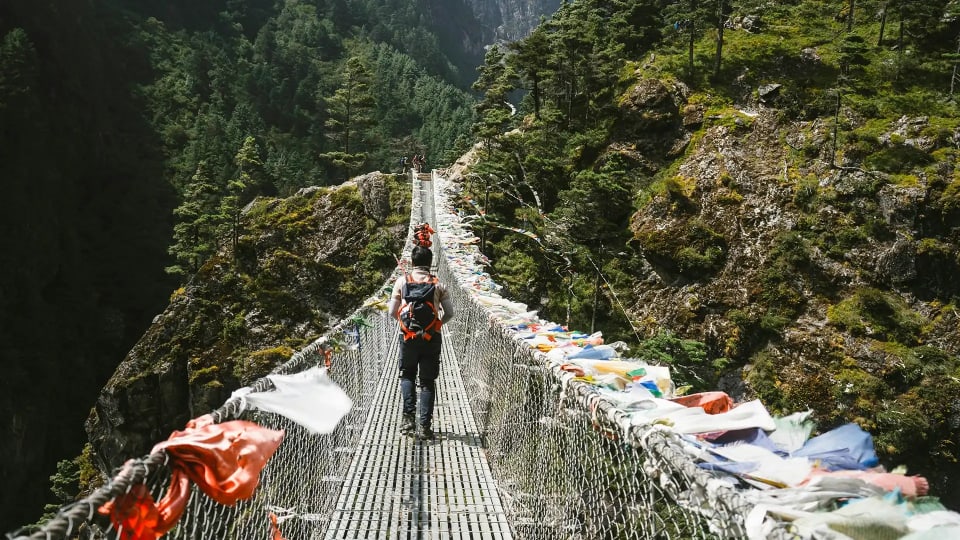
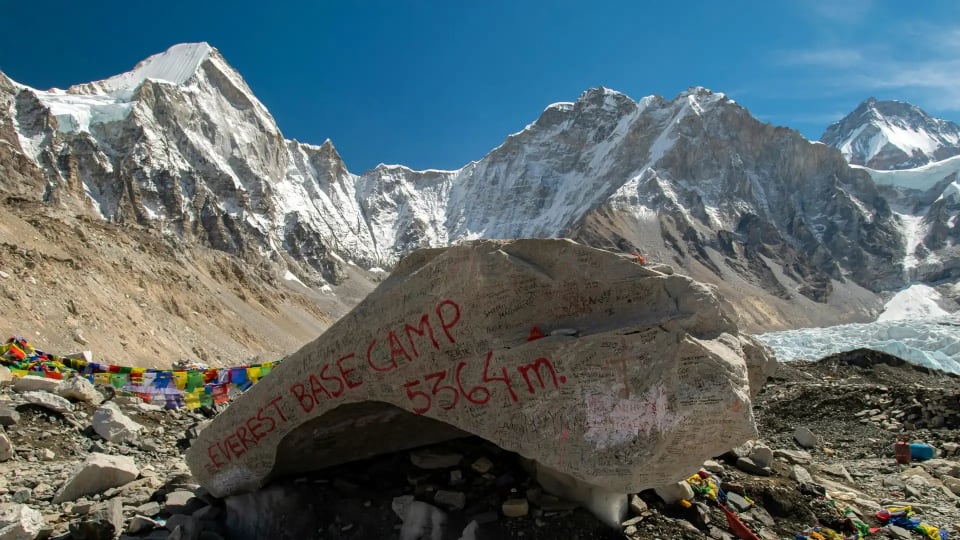
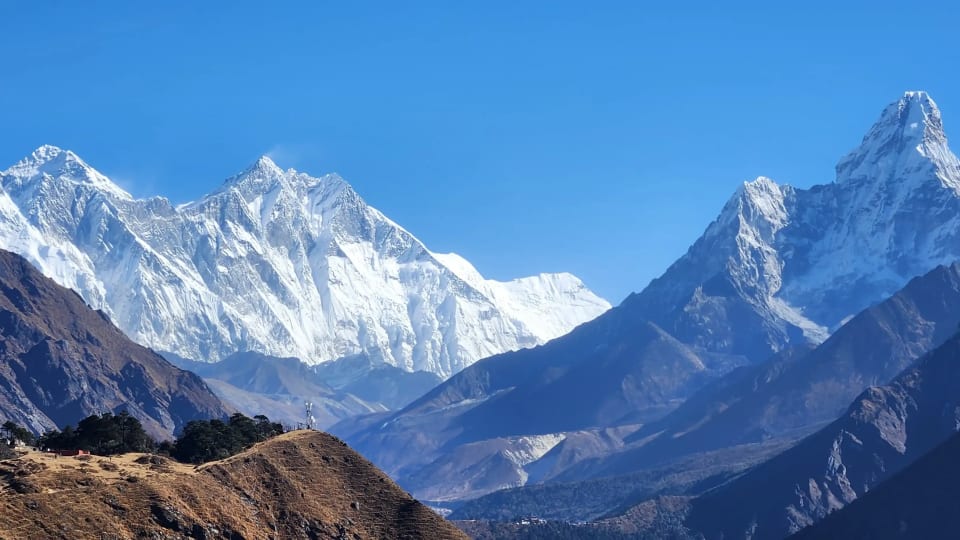
Before you book
Trekking in Nepal: FAQs
Quick answers to the questions most trekkers ask before booking a trip.
Trekking in Nepal is a village-to-village journey on ancient trails. You stay in teahouses — family lodges with a bed, warm meals, and a stove in the common room — and walk five to seven hours a day on stone paths, forest tracks, and high ridges. You wake early, walk in the clearest light, and reach the next lodge by mid-afternoon. There are no technical climbs on the routes we run, but there is a lot of vertical gain, and the best trips are paced with rest days.
You sleep in teahouses, simple family-run lodges along the trail. A typical teahouse offers a private or shared room, a blanket, and a common room warmed by a stove where meals are served. They are not hotels, but they are warm, social, and part of the trekking experience.
Most walking days are five to seven hours, including breaks. Difficult days near high passes may be shorter, while easier valley approaches can feel longer. We pace the itinerary so you arrive at the next lodge with energy left.
No. The standard treks we run — Everest Base Camp, Annapurna Circuit, Manaslu, Langtang, Upper Mustang — are walking trips on established trails, not mountaineering expeditions. You need fitness and a tolerance for altitude, but no ropes, ice axes, or climbing skills. If you want a structured build-up, follow our free 12-week trek fitness plan.
Your guide handles the TIMS card and national park permits. Porters carry the bulk of the group load so you keep energy for the altitude. You only need to carry a daypack with water, snacks, layers, and your camera.
We run treks across Nepal's major Himalayan regions. The Everest region is the highest, with famous trails to Everest Base Camp and passes above 5,000 m. The Annapurna region is the most varied, from short ridge walks to the Annapurna Circuit over Thorong La. Manaslu is a restricted-area trek, quieter and more culturally mixed than the classic circuits. Langtang is the closest to Kathmandu, less crowded, and ideal for a shorter Himalayan introduction. Mustang sits in the rain shadow north of the main range, with an arid, Tibetan-influenced landscape all its own.
The Everest region is higher, more dramatic, and culturally Sherpa — think prayer flags, monasteries, and the world's highest peaks. Annapurna is more varied in scenery and altitude, with easier entry points and a wider range of trip lengths. Both are classic Nepal experiences, but Everest tends to draw trekkers who want the iconic base-camp goal, while Annapurna suits those who want flexibility.
For a first Himalayan trek, Langtang or the lower Annapurna region routes are excellent introductions. They are accessible from Kathmandu or Pokhara, reach moderate altitude, and give you a full teahouse-trekking experience without the crowds of Everest. If you are fit and have more time, the Annapurna Circuit is also a great first major trek.
Restricted areas require special permits, a registered guide, and a minimum group size. They are less developed and quieter than the classic trails. We run Manaslu and Upper Mustang as restricted-area treks, which means smaller village guesthouses, stronger cultural immersion, and landscapes you will not see on the main circuits.
Start with the number of days you have and the altitude you are comfortable reaching. Shorter, lower-altitude treks like Langtang or parts of Annapurna suit moderate fitness. Longer trips like Everest Base Camp or the Annapurna Circuit require stronger endurance and good acclimatization. Mustang and Manaslu are moderately demanding but reward you with solitude. You can compare all our treks to match duration and difficulty.
The two main windows are spring (March to May) and autumn (September to November). Both bring stable weather, clear mountain views, and daytime temperatures that are comfortable once you are walking. Summer monsoon clouds obscure the big peaks, and winter snow closes the highest passes.
Autumn has the most reliable weather after the monsoon clears the air. Visibility is excellent, trails are dry, and the post-monsoon green valleys make the mountain views especially sharp. It is the busiest season, so lodges and flights book up quickly.
Spring brings warmer days and blooming rhododendron forests on lower slopes. The weather is generally stable, although afternoon clouds are more common than in autumn. It is a great choice for treks with significant forest walking, like the Annapurna region.
Monsoon (June to August) is wet, leech-prone on lower trails, and cloudy in the main ranges. Winter (December to February) is cold and can close high passes with snow. Some lower-altitude treks and rain-shadow regions like Mustang are still possible in these months, but the classic circuits are best in spring and autumn.
For autumn and spring departures, book two to three months ahead to secure flights, lodges, and permits. Last-minute bookings are sometimes possible in quieter months, but popular routes like Everest Base Camp and the Annapurna Circuit fill up quickly during peak season.
Nepal Visuals is a licensed Nepali trekking company. We specialize in small-group, photography-friendly guided treks across the Himalayas, with an emphasis on safety, pacing, and local care.
Our guides are trained, employed year-round, and paid above the going rate; we do not subcontract to the lowest bidder. They know the trail and the villages along it, and they stay with the company season after season.
Groups are small. We keep numbers low so the trip stays flexible, the guide can give everyone attention, and the experience feels more like a team of friends than a tour bus.
Photography is part of how we document the experience, but safety, pacing, and local care are what shape the journey. We stop at the right light, know the viewpoints, and give you time to capture the moment without rushing the trek.
You can contact us through the form on our website, or reach out via WhatsApp or email. We will ask about your dates, fitness, and interests, then recommend a route and send a detailed, itemised itinerary. If you are unsure where to start, read everything you need to know about Everest Base Camp, or compare all our treks.