 Nepal Visuals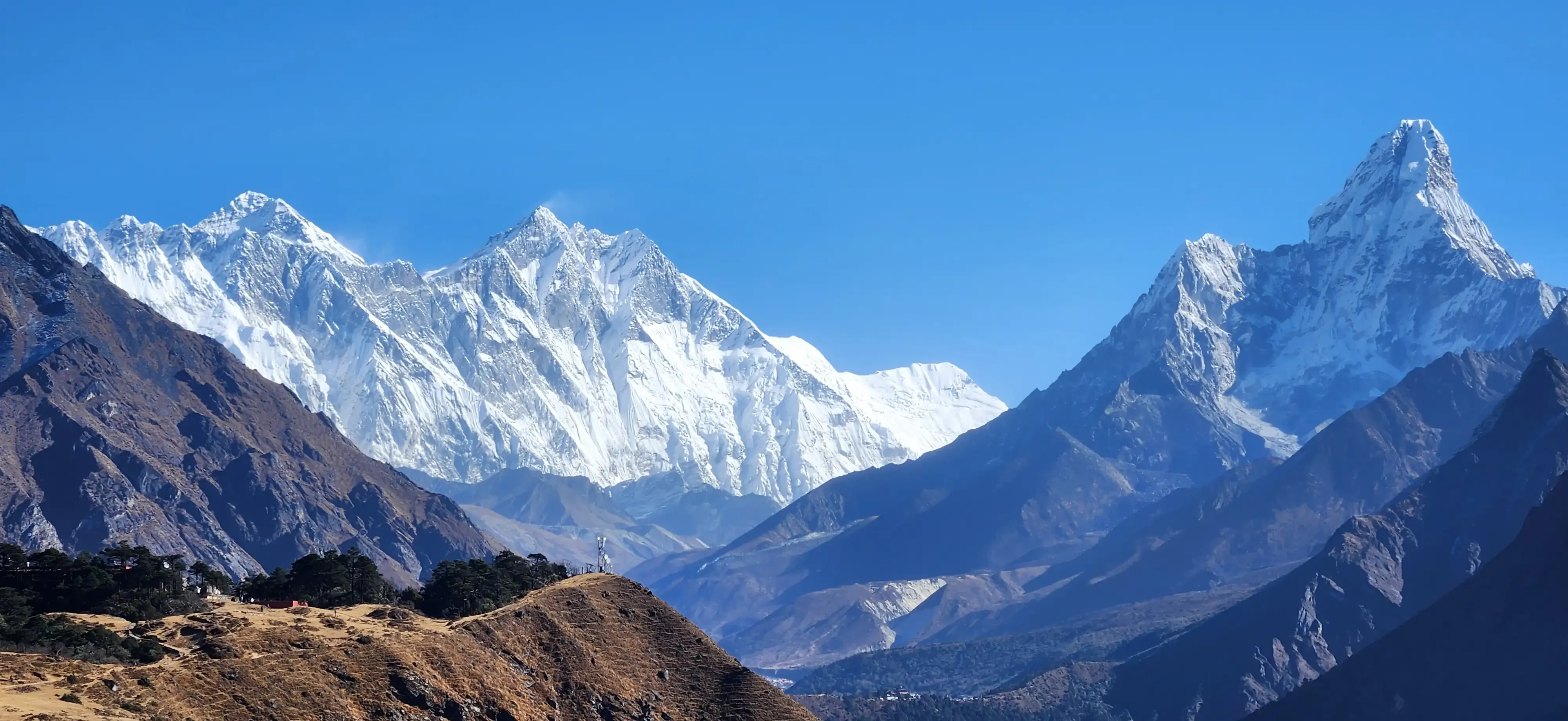
Exploring the Best Everest Base Camp Treks: Which One Suits You? The Traditional EBC trek? The Classic 20+ days EBC trek? Gokyo Lake Trek? Heli Return? Find out.
On this page(10)
The Khumbu region of Nepal is not a single experience. It is a collection of experiences, layered on top of each other, waiting to be chosen.
Some trekkers want the classic journey: the cultural immersion, the teahouse evenings, the moment of arrival at Base Camp after days of building anticipation. Others want something harder, more remote, more complete. Others have a week and a half and a burning desire to see Everest before the window closes.
The good news is that the Everest region accommodates all of these people, because it offers multiple distinct routes, each with its own character, its own challenges, and its own rewards.
This guide breaks down every major Everest trekking route available in 2026 so you can make the right choice for your experience level, your timeframe, and the kind of adventure you are actually looking for.
How to Choose the Right Everest Trek
Before comparing routes, it helps to ask yourself a few honest questions.
How much time do you have? Routes range from a four-hour helicopter experience to a 21-day full circuit. Your available time is often the deciding factor.
What is your fitness and prior trekking experience? Some routes require no prior experience. Others demand significant high-altitude preparation and previous trekking on similar terrain.
What do you want most from the experience? Cultural depth, dramatic mountain views, physical challenge, solitude, or speed? Different routes prioritize different things.
What is your altitude comfort level? If you have never been above 3,000 meters, the standard EBC route is the right starting point. The Three Passes Trek is not a first-timer's route.
Answer those questions honestly and the right route will become clear.
Route 1: The Standard Everest Base Camp Trek
Duration: 12 to 14 days Maximum altitude: Kala Patthar at 5,545 m / EBC at 5,364 m Difficulty: Moderate to challenging Best for: First-time high-altitude trekkers, adventure seekers, anyone doing their first Himalayan trek
 Standard Everest base Camp Trek
What It Is
The standard EBC Trek is the most popular trekking route in the world and the one that defines the Everest trekking experience for most people.
It follows the Dudh Koshi River valley northward from Lukla through the heart of Sherpa country, passing through Phakding, Namche Bazaar, Tengboche, Dingboche, Lobuche, and Gorak Shep before arriving at Base Camp.
The route also includes an early morning ascent of Kala Patthar for sunrise views of Everest, which most trekkers describe as the visual highlight of the entire journey.
Why It Works So Well
The standard EBC itinerary is brilliantly designed for gradual acclimatization. The built-in rest days at Namche Bazaar and Dingboche are spaced precisely to give your body the adaptation time it needs at each altitude stage.
The trail infrastructure is excellent. Teahouses are available at every stop, the path is well-marked, and experienced licensed guides are available throughout the region.
The cultural experience along the standard route is also remarkably rich. You walk through living Sherpa villages, visit one of the most significant Buddhist monasteries in the Himalayas at Tengboche, pass mani walls and prayer wheel corridors that have stood for centuries, and spend time in Namche Bazaar, a genuine mountain town with its own museum, market, and community life.
What to Know
The standard route does not feel standard once you are on it.
The Lukla flight alone is an experience that most trekkers describe as one of the most thrilling moments of the entire journey. The 527-meter sloping runway perched above a cliff edge, the narrow valley approach, and the short sharp stop on landing create an arrival experience unlike any other in the world.
Book a seat on the left side of the aircraft on the Kathmandu to Lukla leg. The views of the Himalayan range from that side are extraordinary from the moment the plane banks northeast out of the Kathmandu valley.
The standard route sees the most trekker traffic of all Everest routes, particularly in the peak weeks of late April and October. Teahouses fill quickly during these weeks, so booking accommodation in advance or having your agency secure reservations is strongly recommended.
Key Highlights
The thrilling Lukla flight and landing experience.
Namche Bazaar's cultural depth, Saturday market, and Sherpa museum.
Tengboche Monastery set against the backdrop of Ama Dablam.
The raw, otherworldly terrain of the upper Khumbu above Lobuche.
Arrival at Everest Base Camp with the Khumbu Icefall above.
Kala Patthar at sunrise with Everest turning gold in the first light.
Full Guide: Standard Everest Base Camp Trek - 14 Days
Route 2: The Classic Jiri to Everest Base Camp Trek
Duration: 20 to 21 days Maximum altitude: Kala Patthar at 5,545 m / EBC at 5,364 m Difficulty: Challenging Best for: Trekkers with plenty of time, history enthusiasts, those seeking deeper cultural immersion, trekkers who want to avoid the Lukla flight entirely
What It Is
Most people do not know this, but the classic Everest Base Camp Trek does not start in Lukla.
The truly classic route begins in Jiri, a small hill town accessible by road from Kathmandu, approximately six hours east of the capital. This was the route taken by early Everest pioneers including the 1953 expedition team of Sir Edmund Hillary and Tenzing Norgay Sherpa.
From Jiri, the trail climbs through the lower Solu-Khumbu region across a series of ridges and valleys before eventually joining the standard Lukla-based route near Namche Bazaar.
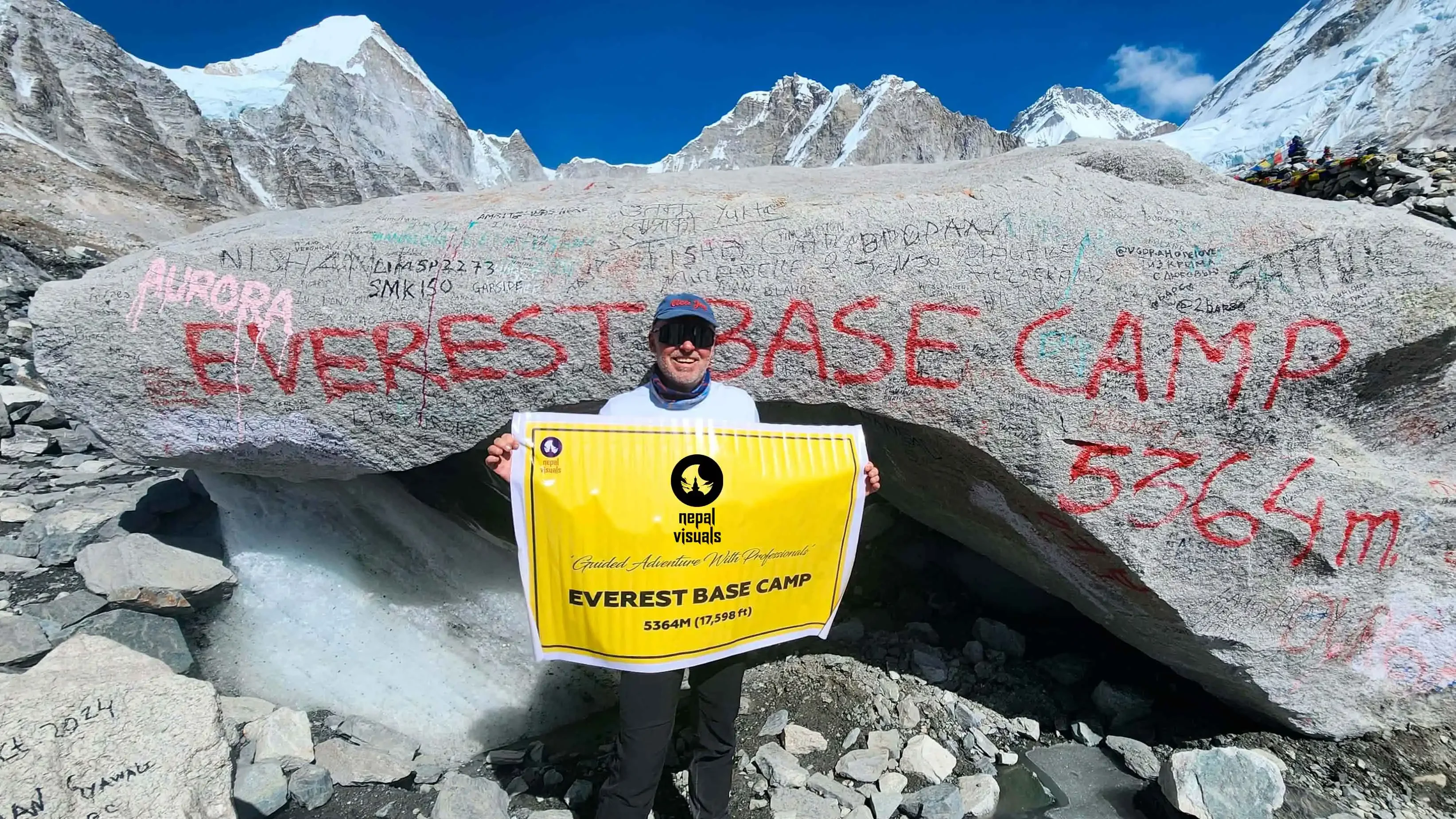
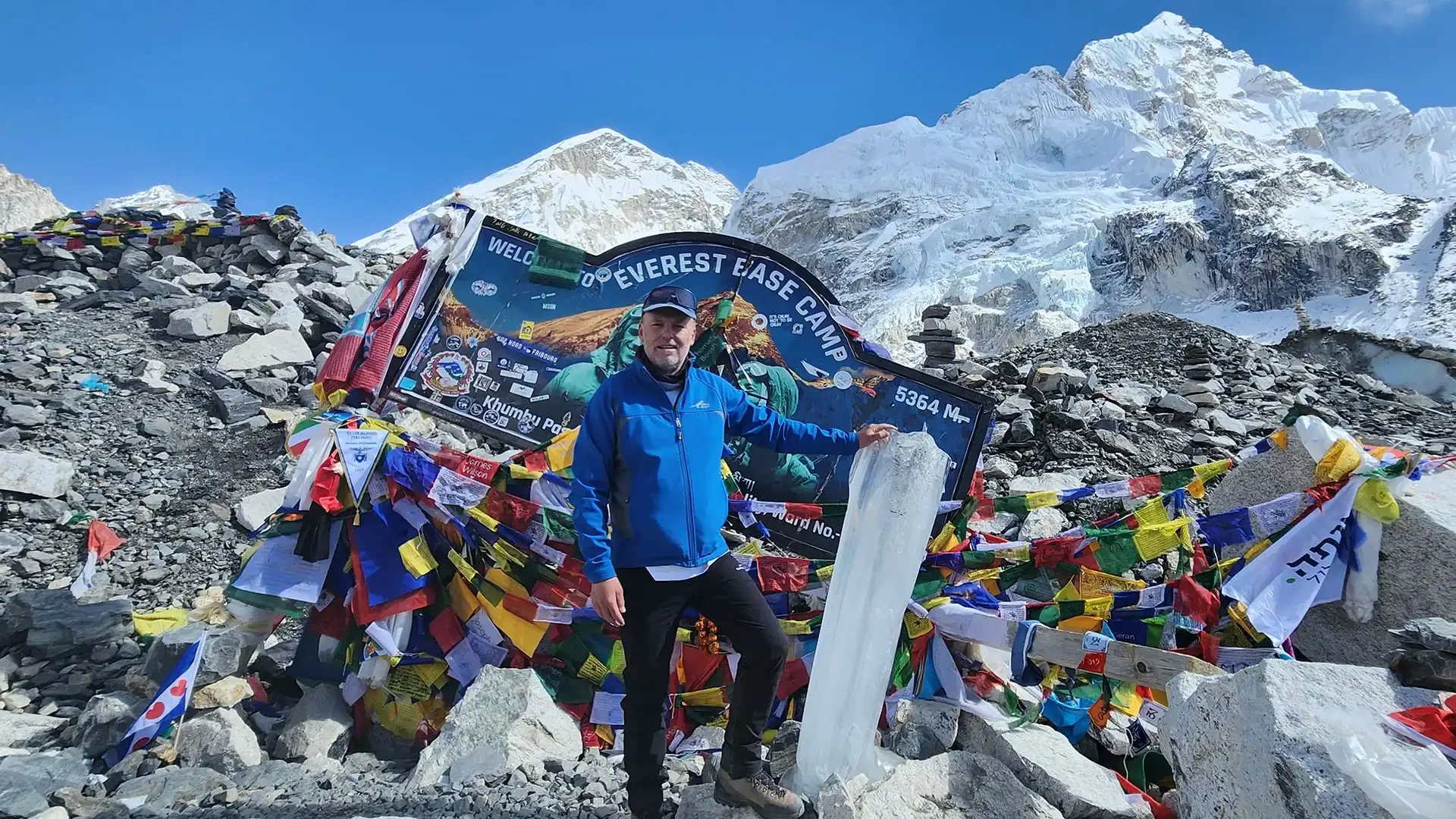 Classic EBC Trek
Why This Route Is Underappreciated
The Jiri route is one of the best-kept secrets in Himalayan trekking, and the trekkers who choose it consistently describe the experience as richer, more varied, and more culturally layered than the Lukla route.
The lower Solu-Khumbu region passed during the first five to six days is home to Sherpa, Rai, and Tamang communities in villages that see a fraction of the visitor numbers of the Khumbu.
The trail passes through traditional markets, terraced hillsides, and forested ridgelines with a pace of life that feels genuinely unchanged by the modern world.
The acclimatization on the Jiri route is also arguably superior. The gradual altitude gain across multiple ridges gives your body more time to adapt before reaching the higher elevations of the Khumbu, which reduces altitude sickness risk.
And there is something historically meaningful about walking in the literal footsteps of the people who first climbed Everest.
What to Know
The Jiri route adds approximately eight to nine days to the standard EBC itinerary, which is significant.
It requires good fitness, a genuine appetite for long walking days, and a comfortable tolerance for trail conditions that are less developed than the Khumbu proper.
The lower section of the Jiri route involves significant elevation gain and loss across multiple ridge crossings. Your legs will work harder before you even reach Namche.
But for trekkers who have the time and the historical curiosity, this is one of the most rewarding long-distance treks available in Nepal.
Key Highlights
Walking the original route taken by Hillary, Tenzing, and the 1953 expedition team.
Deep cultural immersion through the lower Solu-Khumbu region before reaching the Khumbu.
Superior natural acclimatization across the ridge-crossing approach.
No dependence on the weather-sensitive Lukla flight.
A quieter, less-traveled trail for the first week that makes the arrival at Namche feel genuinely earned.
Recommended: Classic Everest Base Camp Trek - 21 Days
Route 3: The Everest Three Passes Trek
Duration: 18 to 21 days Maximum altitude: Kongma La at 5,535 m / Cho La at 5,420 m / Renjo La at 5,360 m Difficulty: Very challenging Best for: Experienced trekkers with prior high-altitude exposure, those who want the most complete Khumbu experience available
What It Is
The Three Passes Trek is the most comprehensive and demanding trekking itinerary in the Everest region, and for experienced trekkers, it is the most rewarding.
The route crosses three high mountain passes in the Khumbu: Kongma La at 5,535 meters, Cho La at 5,420 meters, and Renjo La at 5,360 meters.
Along the way, it also visits Everest Base Camp and the Gokyo Lakes, making it the only single itinerary that combines all of the major highlights of the entire Khumbu region.
The Three Passes in Detail
Kongma La (5,535 m) is the highest of the three passes and one of the most demanding single-day challenges on any Nepal trekking route.
The ascent from Dingboche is steep and sustained, climbing through loose scree and rocky terrain to a narrow ridge with views across the Khumbu Glacier and the upper Imja Valley.
The descent to Lobuche on the far side is equally steep, and the crossing requires careful footwork, particularly in icy or snowy conditions.
Cho La (5,420 m) connects the Dzongla side of the Khumbu Glacier to the Gokyo Valley and is the most technically demanding of the three passes.
The final approach to the pass involves a section of glacial ice that must be crossed carefully. Crampons are strongly recommended and, in certain conditions, essential.
The descent into the Gokyo Valley on the far side drops through boulder terrain before reaching the teahouses of Dragnag.
Renjo La (5,360 m) is the most scenically spectacular of the three passes.
The view from the top of Renjo La is one of the finest in the entire Himalayas: the Gokyo Lakes spread out below in shades of turquoise and jade, with the Everest massif, Cho Oyu, Makalu, and Lhotse all visible simultaneously on a clear day.
The descent to Gokyo is gradual and relatively straightforward after the demands of the ascent.
Learn More: Everest Three Passes Trek 19 Days Guide
What Makes This Trek Different
The Three Passes Trek takes you through sections of the Khumbu that the standard EBC route never reaches.
The Gokyo Valley, in particular, is a landscape of almost surreal beauty: a series of glacial lakes at progressively higher altitudes, each a vivid turquoise, set against the backdrop of the Ngozumpa Glacier (the longest glacier in Nepal) and the towering peaks of the Khumbu Himalaya.
Gokyo Ri at 5,357 meters, climbed during the Gokyo section of the route, offers a panoramic view of four 8,000-meter peaks simultaneously: Everest, Lhotse, Makalu, and Cho Oyu. Very few viewpoints anywhere in the Himalayas offer this combination.
The remote sections between the passes see significantly fewer trekkers than the standard route. On certain days, particularly on and around Kongma La and Cho La, you may have the trail entirely to yourself.
What to Know Before You Go
The Three Passes Trek is not appropriate for first-time high-altitude trekkers.
Prior experience on at least one multi-day trek above 4,500 meters is strongly recommended before attempting this route.
Weather windows matter enormously on the passes. A Cho La crossing in fresh snow with poor visibility is a genuinely dangerous undertaking. Your guide's knowledge of local conditions is critical on this route.
Build extra contingency days into your itinerary for weather. Attempting to cross a high pass on a tight schedule is how accidents happen.
Key Highlights
Three distinct high mountain pass crossings, each with unique character and views.
The turquoise Gokyo Lakes in one of the most beautiful glacial valleys in the Himalayas.
The panoramic view from Gokyo Ri of four 8,000-meter peaks simultaneously.
Everest Base Camp as part of a larger Khumbu circuit rather than a single destination.
Remote trail sections that see a fraction of the traffic of the standard EBC route.
The unmatched satisfaction of having experienced the Khumbu in its entirety.
Route 4: The Gokyo Lakes Trek
Duration: 12 to 14 days Maximum altitude: Gokyo Ri at 5,357 m Difficulty: Moderate to challenging Best for: Trekkers who want an alternative to the standard EBC route, those seeking quieter trails and exceptional lake scenery, anyone who wants to see Everest without the crowds of the main route
What It Is
The Gokyo Lakes Trek is the most popular alternative to the standard EBC route and the best choice for trekkers who want a slightly different Khumbu experience without the extreme demands of the Three Passes Trek.
The route follows the standard trail from Lukla to Namche Bazaar before diverging northwest into the Gokyo Valley, bypassing the main Everest Base Camp trail entirely.
What the Gokyo Valley Offers
The Gokyo Valley contains six glacial lakes at altitudes between 4,700 and 5,000 meters, each more dramatic than the last.
The first and most-visited lake, Dudh Pokhari, sits directly below the village of Gokyo at 4,750 meters. On a still morning, the reflection of Cho Oyu in the turquoise water is one of the most photographed scenes in the Khumbu.
The valley sits alongside the Ngozumpa Glacier, the largest glacier in Nepal, which stretches over 36 kilometers in length. Walking beside the glacier moraine on the approach to the upper lakes gives you an immediate and visceral sense of the scale of the Himalayan ice system.
Gokyo Ri at 5,357 meters is the highlight viewpoint of the route. The climb from the teahouse village takes approximately two to three hours and delivers a 360-degree panorama of Everest, Lhotse, Makalu, Cho Oyu, and the entire Gokyo Valley that many trekkers rate as better than the view from Kala Patthar.
Read More: Gokyo Lake and Ri Trek - 12 Days
Gokyo Plus EBC: The Best of Both
One of the most popular and recommended options in the Khumbu is combining the Gokyo Lakes with Everest Base Camp in a single itinerary.
This is done by crossing the Cho La Pass at 5,420 meters from the Gokyo side into the main EBC valley, then continuing to Base Camp and Kala Patthar before returning to Lukla.
This combined itinerary adds two to three days to the standard EBC schedule but delivers an experience that covers the best highlights of the entire Khumbu region.
If you are fit, well-acclimatized, and have the time, the Gokyo plus EBC combination is strongly worth considering.
What to Know
The Gokyo Lakes Trek on its own avoids the Cho La crossing and therefore has a lower maximum altitude than the Three Passes Trek.
Trail traffic on the Gokyo route is noticeably lower than on the main EBC trail, particularly above Namche Bazaar, which makes for a quieter and more contemplative trekking experience.
Teahouse facilities in the Gokyo Valley are good by Khumbu standards, with comfortable accommodation available in the village of Gokyo itself.
Key Highlights
Six turquoise glacial lakes in one of the most beautiful valleys in the Himalayas.
Gokyo Ri's panoramic view of four 8,000-meter peaks in a single frame.
The Ngozumpa Glacier, the longest glacier in Nepal, alongside the upper trail.
Quieter trails and a more peaceful experience than the main EBC route.
The option to combine with Everest Base Camp via the Cho La Pass for a complete Khumbu experience.
More on: EBC Trek With Gokyo Lake Trek - 17 Days
Route 5: The Everest Panorama Trek
Duration: 7 days Maximum altitude: Tengboche Monastery at 3,867 m / Everest View Hotel at 3,880 m Difficulty: Easy to moderate Best for: Beginners, senior trekkers, families with older children, anyone with limited time who wants a genuine Himalayan experience
What It Is
The Everest Panorama Trek is the most accessible route in the Khumbu and the best option for trekkers who want to experience the Everest region without the demands of high altitude or extended duration.
The route follows the standard EBC trail from Lukla to Namche Bazaar and continues up to Tengboche Monastery at 3,867 meters, the spiritual heart of the Khumbu, before returning to Lukla.
The highlight viewpoint is the Everest View Hotel at 3,880 meters near Khumjung, one of the highest hotels in the world, which offers a stunning framed view of Everest, Ama Dablam, and Lhotse from its terrace.
Who This Trek Is Perfect For
The Everest Panorama Trek does not cross the 4,000-meter line, which makes altitude sickness a significantly lower risk than on the longer EBC routes.
This makes it an excellent option for older trekkers who want to experience the Himalayas without the extreme altitude demands of the standard EBC route.
It is also ideal for trekkers on a tight schedule who cannot commit to a 12-day trek but want more than a helicopter tour.
Families with teenagers who have a reasonable fitness level will find this route achievable and genuinely rewarding, with all the cultural richness of the Khumbu at a more manageable altitude.
What You Still Get
Do not underestimate this route.
The cultural experience of the Everest Panorama Trek is identical to that of the standard EBC route for the first section.
You still walk through Namche Bazaar with all its energy and Sherpa cultural richness. You still visit Tengboche Monastery with its extraordinary mountain backdrop. You still cross the famous suspension bridges and walk trails used by Sherpa communities for centuries.
The Everest View Hotel terrace view at dawn, with Everest, Lhotse, and Ama Dablam glowing in the early light above the clouds, is genuinely spectacular and not a consolation prize.
Key Highlights
The Everest View Hotel at 3,880 meters with its framed morning view of Everest.
Tengboche Monastery and the experience of morning prayers in the most atmospheric monastery in the Khumbu.
The full cultural experience of Namche Bazaar without altitude-induced limitations.
A genuine Himalayan journey achievable in seven days.
No requirement for prior trekking experience or high-altitude preparation.
Full Guide: Everest Panorama Trek - 7 Days
Route 6: The Everest Helicopter Tour
Duration: 3 to 5 hours Maximum altitude: Kala Patthar landing at approximately 5,545 m Difficulty: Not applicable Best for: Travelers with very limited time, luxury travelers, people with physical limitations that prevent trekking, those who want to see Everest from the air
What It Is
The Everest Helicopter Tour is not a trek. But for the right traveler, it is the right answer.
A helicopter departs from Kathmandu in the early morning and flies northeast into the Khumbu, providing aerial views of the Himalayan range, the Gokyo Lakes, the Khumbu Glacier, and the upper Everest massif.
Most tours include a landing at Kala Patthar at approximately 5,500 meters, where passengers step out briefly for close-up views of Everest, Lhotse, Nuptse, and the Khumbu Icefall before returning to the helicopter.
Many tours also include a breakfast stop at the Everest View Hotel or a teahouse at Syangboche above Namche Bazaar.
What the Helicopter Tour Offers That Walking Cannot
The aerial perspective of the Himalayan range is genuinely different from anything available on foot.
Seeing the full scale of the Khumbu Glacier, the curving ridgelines of the Everest massif, and the deep blue-white lakes of the Gokyo Valley from above provides a spatial understanding of the geography that trekkers on the ground never quite achieve.
The Kala Patthar landing, while brief, delivers the most direct view of Everest available to non-climbers at that altitude, and the experience of stepping off a helicopter at 5,500 meters and looking up at the South Face of the world's highest mountain is extraordinary in its own right.
What the Helicopter Tour Cannot Replace
Honesty is important here.
The helicopter tour does not give you the trail. The physical journey through Sherpa villages, the days of gradual altitude gain, the friendships in the teahouse, the earned exhaustion, the specific feeling of arriving at Base Camp after walking there under your own power: none of that is available from a helicopter.
The tour is best understood as a completely different kind of Everest experience, not a substitute for trekking, but a genuinely valuable option for travelers who cannot trek or who want to complement a previous trekking experience with an aerial perspective.
Key Highlights
Aerial views of the Khumbu Glacier, Gokyo Lakes, and the full Everest massif.
A landing at Kala Patthar for close-up views of Everest at approximately 5,500 meters.
The complete Everest experience compressed into a single morning.
Accessible to travelers of all fitness levels and ages.
Side-by-Side Route Comparison
Here is a clear summary of all six Everest routes to help with your decision:
Standard EBC Trek: 12 to 14 days, maximum altitude 5,545 m, moderate to challenging, best for first-time high-altitude trekkers, excellent trail infrastructure.
Jiri to EBC Classic Trek: 20 to 21 days, maximum altitude 5,545 m, challenging, best for history enthusiasts and trekkers with abundant time, deeper cultural immersion, no Lukla flight required.
Three Passes Trek: 18 to 21 days, maximum altitude 5,535 m, very challenging, best for experienced trekkers, most complete Khumbu experience available.
Gokyo Lakes Trek: 12 to 14 days, maximum altitude 5,357 m, moderate to challenging, best for those wanting quieter trails and lake scenery, combinable with EBC via Cho La.
Everest Panorama Trek: 7 days, maximum altitude 3,880 m, easy to moderate, best for beginners and senior trekkers, no high-altitude demands.
Everest Helicopter Tour: 3 to 5 hours, maximum altitude approximately 5,545 m, no fitness requirement, best for travelers with very limited time or physical limitations.
Frequently Asked Questions
Can I combine the Gokyo Lakes with Everest Base Camp?
Yes, and it is highly recommended. The combination via the Cho La Pass adds two to three days to the standard EBC itinerary and delivers the best highlights of the entire Khumbu region in a single journey.
Is the Three Passes Trek suitable for first-timers?
Not recommended. The Three Passes Trek requires prior high-altitude trekking experience, excellent physical fitness, and a thorough understanding of acclimatization. Complete the standard EBC Trek first.
Do I need a guide for all of these routes?
Yes. As of April 2023, all trekking routes in Nepal's major regions require a licensed guide. For the more demanding routes (Three Passes, Jiri to EBC, Gokyo combination), an experienced guide is essential for safety, not just compliance.
What is the best route if I only have 10 days?
The standard EBC Trek can be done in 12 days minimum with acclimatization days. With only 10 days available, the Everest Panorama Trek or the Everest Helicopter Tour are the most realistic options.
Which route has the best views of Everest?
For on-foot views, Kala Patthar on the standard EBC and Three Passes routes offers the most famous perspective. Gokyo Ri on the Gokyo Lakes route offers a panorama of four 8,000-meter peaks simultaneously. Both are extraordinary.
Plan Your Everest Trek with Nepal Visuals
Choosing the right Everest route is one of the most important decisions of your trekking journey, and it deserves more than a quick online booking.
At Nepal Visuals, we are a locally owned and operated trekking company based in Kathmandu, and we have guided trekkers on every one of the routes covered in this guide, in every season, at every experience level.
We specialize in small groups, expert licensed guides, and personalized itineraries built around your specific goals, timeline, and experience level.
We believe in responsible trekking, fair wages for guides and porters, and the kind of genuine care for your experience that large operators cannot provide.
Every year, we take only a limited number of groups across all our Everest routes. Spots for the spring and autumn peak seasons fill quickly, particularly for the Three Passes and Gokyo combination routes.
If you are serious about getting to Everest, talk to us before you book anywhere else.
Contact Nepal Visuals today to start planning your Everest trek.
Reach us at info@nepalvisuals.com to explore our full range of Everest trekking packages.
The Khumbu is calling. Let us help you answer.
Sharing route guides and trail experience from the high trails of Nepal.