 Nepal Visuals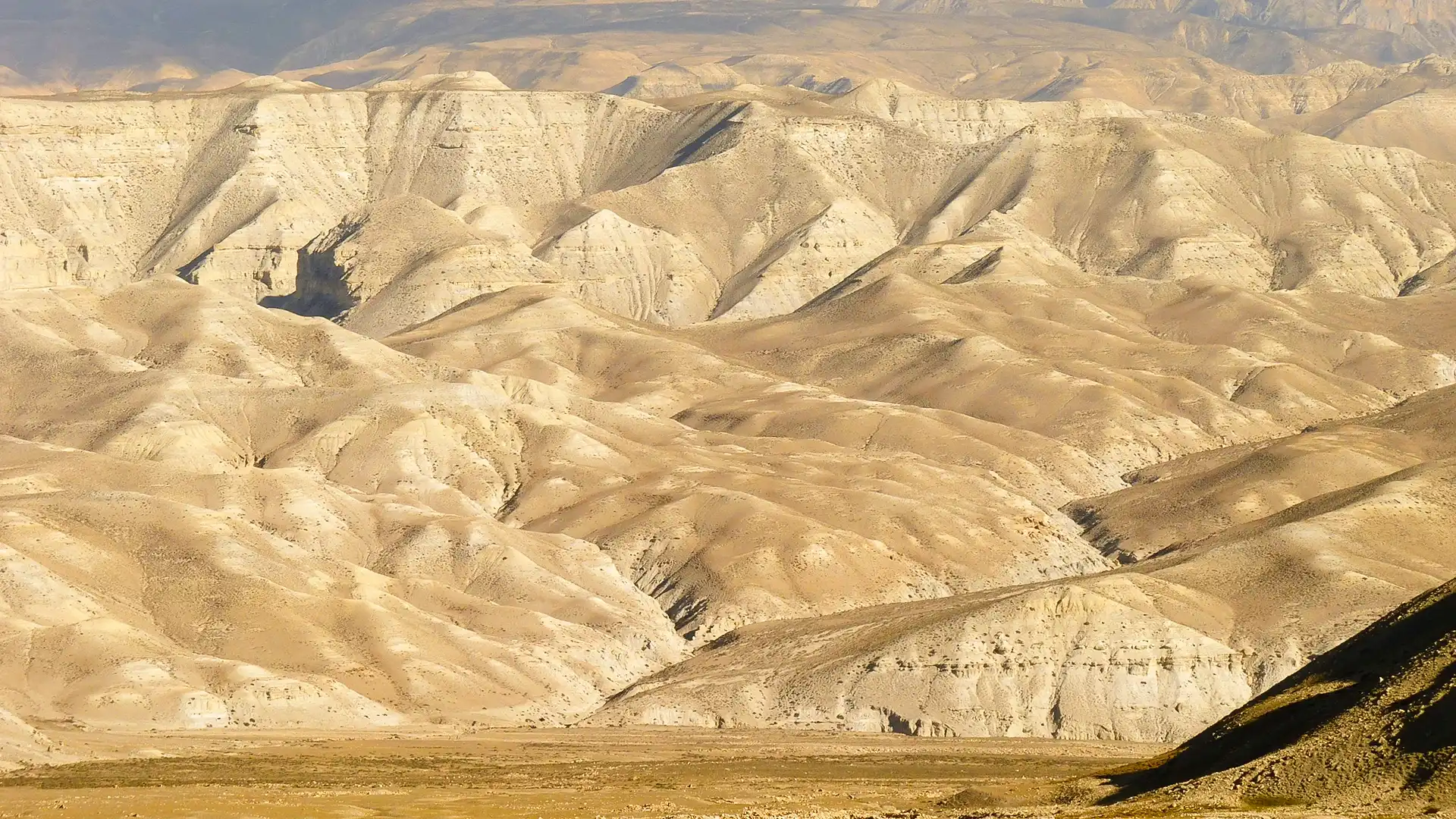
Mustang Region · Moderate grade
Upper Mustang Trek
The route
What the walk is.
The Upper Mustang Trek - 16 Days is Nepal’s most complete journey into the last forbidden kingdom, offering extended time for cultural immersion and exploration. This trek visits remote villages and ancient sites where medieval Tibetan culture has remained remarkably preserved.
The route passes through striking high-altitude desert landscapes of ochre, red, and grey cliffs, deep canyons, and wide open valleys. Lo Manthang, the walled capital, features a royal palace and centuries-old monasteries, providing a living museum of Tibetan Buddhist heritage.
Trekking also includes mysterious sky caves carved into cliffs over 2,000 years ago. These ancient sites reveal traditional meditation and burial practices still observed by local communities.
Villagers of Ghyakar, Samar, and other remote settlements maintain authentic Tibetan Buddhist lifestyles. Travelers can interact with the Loba people and witness centuries-old customs largely unchanged by modern tourism.
The extended itinerary allows more time for photography, capturing the desert landscapes at different times of day. It also offers a relaxed pace and better acclimatization compared to shorter treks.
The maximum altitude is 3,850m at Yamda La Pass, making it accessible to fit trekkers without extreme high-altitude risk. Spring (March–May) and autumn (September–November) are ideal, and the region’s rain shadow allows trekking even during monsoon season.
This 16-day Upper Mustang Trek is perfect for culture enthusiasts, photographers, and travelers seeking unhurried exploration. It combines spectacular landscapes, living heritage, and intimate access to one of Nepal’s most extraordinary hidden kingdoms.
General Information
Detail | Information |
Region | Mustang (Annapurna), Nepal |
Start/End Point | Jomsom (via Pokhara) |
Best Season | March-May, September-November (also June-August) |
Group Size | Minimum 2 (restricted area requirement) |
Guide | Mandatory (restricted area) |
Special Permit | Upper Mustang Restricted Area Permit required |
Why Choose Nepal Visuals For The 16 Day Upper Mustang Trek?
Sixteen days to experience Upper Mustang without compromise.
More time in the forbidden kingdom means unhurried days in Lo Manthang, deeper encounters with Loba communities, and space to explore remote monasteries and canyon landscapes that shorter itineraries can only skim.
Restricted area permits handled from start to finish.
Upper Mustang requires a tightly controlled permit, a mandatory licensed guide, and careful documentation at multiple checkpoints. We manage every layer of the process so your access to this protected corridor is never left to chance.
Lo Manthang given the days it actually deserves.
The ancient walled capital is the heart of this trek and our itinerary reflects that. Multiple days in and around Lo Manthang allow its royal palace, living monasteries, and centuries-old lanes to reveal themselves at a natural pace.
Cave monasteries and sky caves included, not rushed past.
Sites like Luri Gompa, Chungsi Cave, and the Mustang sky caves are among the most extraordinary archaeological treasures in the Himalayas. Our guides know each one well and build genuine time into the schedule to explore them properly.
Complete and honest pricing before any permits are filed.
Upper Mustang carries some of the highest permit fees in Nepal trekking. We present the full cost of your 16 days, every permit, transfer, accommodation, and guide fee, clearly and upfront so your budget holds firm throughout.
All logistics confirmed well before you reach Jomsom.
The Pokhara to Jomsom flight, teahouse bookings for all 16 nights, and every transfer along the restricted zone are arranged in advance so the journey begins cleanly and nothing important is left unresolved on arrival.
Loba culture encountered with genuine depth.
Sixteen days creates room for real community engagement, monastery visits with local monks, and time in villages that see very few outside visitors. Our guides approach every encounter with the respect and local knowledge it requires.
Support maintained across one of Nepal's most remote routes.
Connectivity in Upper Mustang is limited and stretches of the trail are genuinely isolated. Our team stays reachable via WhatsApp, Email, and Zoom throughout all 16 days so a reliable point of contact is always available.
Your departure is guaranteed the moment you book.
Sixteen days in a restricted Himalayan kingdom deserves an unconditional commitment from the people organising it. Every confirmed 16-day Upper Mustang booking departs as planned, regardless of group size, without exception.
Day by day
Where you sleep, night by night.
Kathmandu → Kathmandu · highest point 3,840 m
- Day 01Hotel (Twin Sharing) · Welcome Dinner1,400 m
Your Nepal Visuals representative meets you at Tribhuvan International Airport and transfers you to your hotel in Thamel. Welcome briefing over dinner this evening.
- Day 022-Star Hotel (Twin Sharing) · Breakfast, Lunch, Dinner822 m
Scenic drive along the Prithvi Highway through terraced hillsides, the Trishuli River valley, and traditional villages. Arrive Pokhara late afternoon. Evening free at Phewa Lake.
- Day 03Tea House/ Lodge (Twin Sharing) · Breakfast, Lunch, Dinner2,804 m
Early morning drive through the Kali Gandaki gorge to Jomsom, the gateway to Upper Mustang. A short afternoon trek brings you to Kagbeni, the medieval gateway village where restricted area permits are checked. Explore the ancient red-walled monastery and windswept chortens.
- Day 04Tea House/ Lodge (Twin Sharing) · Breakfast, Lunch, Dinner3,070 m
Begin your journey deeper into Upper Mustang. The trail takes you through narrow valleys and rocky terrain. Pass through villages like Tangbe with whitewashed homes typical of the Upper Mustang trekking route. Arrive in Chele with breathtaking views of the surrounding peaks.
- Day 05Tea House/ Lodge (Twin Sharing) · Breakfast, Lunch, Dinner3,500 m
A beautiful mix of rugged cliffs and tranquil juniper forests. Pass through Samar village and experience the quiet beauty of Upper Mustang. After 5-6 hours arrive in Geling, where peaceful surroundings invite reflection on the stunning landscapes and ancient culture encountered so far.
- Day 06Tea House/ Lodge (Twin Sharing) · Breakfast, Lunch, Dinner3,620 m
Trek through the high plateau of Lo, passing ancient chortens and prayer walls. The landscape is otherworldly: deep red and ochre cliffs, wind-carved formations, and a silence that feels almost sacred. Arrive in Charang, a historic village with a 400-year-old dzong and monastery perched above the valley.
- Day 07Highest point · Tea House/ Lodge (Twin Sharing) · Breakfast, Lunch, Dinner3,840 m
Arrive at Lo Manthang, the walled capital of the Forbidden Kingdom of Mustang. Walk through the single gate into a medieval city largely unchanged for 600 years. White-washed buildings, butter lamp-lit monasteries, and the Mustang royal palace rise together within the ancient walls. Visit the Thubchen and Jampa Lhakhangs.
- Day 08Highest point · Tea House/ Lodge (Twin Sharing) · Breakfast, Lunch, Dinner3,840 m
A full day to explore Lo Manthang. Visit Thubchen Gompa, Jampa Lhakhang, and the royal palace. Optional excursion to the ancient cliff caves of Chhoser Village, sky caves carved into vertical canyon walls over 3,000 years ago. The afternoon is yours to wander and absorb this extraordinary place.
- Day 09Tea House/ Lodge (Twin Sharing) · Breakfast, Lunch, Dinner3,500 m
Begin the return journey south. Pass through Marang and descend to Ghami, a prosperous village with a 400-metre-long mani wall, one of the longest in Nepal, and a dramatic red cliff backdrop.
- Day 10Tea House/ Lodge (Twin Sharing) · Breakfast, Lunch, Dinner3,620 m
A relatively easy day through the high Mustang plateau. Visit Tsarang Monastery and the crumbling Tsarang Dzong, once the second most important fortress in the kingdom. Views west toward Dhaulagiri on a clear day are extraordinary.
- Day 11Tea House/ Lodge (Twin Sharing) · Breakfast, Lunch, Dinner2,950 m
Continue back toward Jomsom, passing through villages as you descend. Enjoy views of the Kali Gandaki River and surrounding peaks. After 5-6 hours reach Chhusang, a quiet village at the river confluence.
- Day 12Tea House/ Lodge (Twin Sharing) · Breakfast, Lunch, Dinner3,800 m
Descend to Kagbeni then climb to Muktinath, one of the most sacred pilgrimage sites for Hindus and Buddhists alike. The temple complex has 108 water spouts and an eternal flame. The Dhaulagiri-Annapurna panorama from here is unforgettable at sunrise.
- Day 13sleep 2,700 m · Tea House/ Lodge (Twin Sharing) · Breakfast, Lunch, Dinner3,800 m
Begin your descent back to Jomsom, passing through Kagbeni and following the Kali Gandaki River. Arrive in Jomsom where you can relax and celebrate the completion of your Upper Mustang journey.
- Day 142-Star Hotel (Twin Sharing) · Breakfast, Lunch, Dinner1,400 m
Morning flight from Jomsom to Pokhara with panoramic Annapurna and Dhaulagiri views. Board a tourist bus for the drive back to Kathmandu. Arrive evening for a farewell dinner.
- Day 152-Star Hotel · Breakfast1,400 m
Drive back to Kathmandu along the Prithvi Highway, passing through lush valleys and terraced hills for one last look at Nepal. Arrive Kathmandu in the evening.
- Day 16Breakfast1,400 m
Our representative transfers you to Tribhuvan International Airport for your flight home. Reflect on your journey through the Forbidden Kingdom, a world apart and yours to carry forever.
Fixed departures
12 group dates open.
144 places across them. Or start on any flexible date in the calendar below.
| Departure | Booked | Filling | Left | Status | Book |
|---|---|---|---|---|---|
| Sat, Mar 6, 2027 | 0/12 | 12 | Available | ||
| Sat, Mar 20, 2027 | 0/12 | 12 | Available | ||
| Sat, Apr 3, 2027 | 0/12 | 12 | Available | ||
| Sat, Apr 17, 2027 | 0/12 | 12 | Available | ||
| Sat, May 1, 2027 | 0/12 | 12 | Available | ||
| Sat, May 15, 2027 | 0/12 | 12 | Available | ||
| Sat, Sep 4, 2027 | 0/12 | 12 | Available | ||
| Sat, Sep 18, 2027 | 0/12 | 12 | Available | ||
| Sat, Oct 2, 2027 | 0/12 | 12 | Available | ||
| Sat, Oct 16, 2027 | 0/12 | 12 | Available | ||
| Sat, Nov 6, 2027 | 0/12 | 12 | Available | ||
| Sat, Nov 20, 2027 | 0/12 | 12 | Available |
Prices are per person, twin share, in USD. Book with a 20 % deposit — the balance is due 7 days before departure. Scheduled departures show places left; flexible departures can be booked on any listed start date. Booking terms
| Su | Mo | Tu | We | Th | Fr | Sa |
|---|---|---|---|---|---|---|
| 1 | 2 | 3 | ||||
| 4 | 5 | 6 | 7 | 8 | 9 | 10 |
| 11 | 12 | 13 | 14 | 15 | 16 | 17 |
| 18 | 19 | 20 | 21 | 22 | 24 | |
| 25 | 26 | 28 | 29 | 30 |
- Selected trip dates
- Available
- Filling fast
- Almost sold out
- Sold out
Fri, Oct 23Sat, Nov 7, 2026
16 days · flexible departure
- StartsFri, Oct 23, 2026 · Kathmandu
- EndsSat, Nov 7, 2026 · Kathmandu
USD $1,950 per person, twin share · Deposit today USD $390 (20 %)
On the trail
Photographs from the route.
The whole number
What the price covers.
13 things are in the price and 11 more are named as excluded.
In the price
Transportation & Logistics
- ✓Mountain Airfare · Round trip airfare between Pokhara-Jomsom-Pokhara and airport taxes.
- ✓Ground Transfers · Airport pickup and drop on a tourist vehicle.
- ✓Permits & Official Fees · All conservation fees, permit fees, and government taxes.
- ✓Official Liaison · Coordination with relevant government offices.
Professional Support & Safety
- ✓Expert Leadership · Govt. certified highly experienced English speaking helpful, knowledgeable and friendly trekking guide.
- ✓Group Support · An assistant guide provided for groups of 8 or more people.
- ✓Emergency Coordination · Helicopter service arrangement for emergencies (cost covered by travel insurance).
Accommodation & Meals
- ✓City Stay · 3-Star accommodation at Kathmandu and Pokhara on breakfast plan.
- ✓Trek Nutrition · Full board standard meals (breakfast, lunch, and dinner) during the trek.
- ✓Trail Lodging · The best available tea-house/lodge during trekking.
- ✓Celebratory Dining · Farewell dinner at a typical Nepalese restaurant in Kathmandu.
Gear & Recognition
- ✓Trekking Essentials · Duffle bags and trekking poles in case you don’t have your own.
- ✓Official Achievement · Trek Completion Certificate from Nepal Visuals.
Not included
Flights, Visas, and Logistics
- ×International Travel · International flight fare and airport departure tax.
- ×Entry Requirements · Nepal Entry Visa and Visa extension fees (USD 50 for 30 days and USD 125 for 90 days).
- ×Baggage Overages · Extra baggage charges.
- ×Miscellaneous · Any expenses other than the Price Inclusion Section.
Personal Protection & Equipment
- ×Mandatory Insurance · Travel and Medical Insurance (Compulsory).
- ×Rescue Costs · Charges for emergency rescue or evacuation by helicopter, if needed.
- ×Individual Gear · Personal trekking gears and equipment.
Trail & City Expenses
- ×Teahouse Amenities · Other charges at lodges/tea houses such as showers, internet access, battery re-charging, hot water and extra hot drink.
- ×Beverages · Alcoholic and non-alcoholic drinks.
- ×Extended Stays · Any additional night’s accommodation in Kathmandu or Pokhara owing to early arrivals, late departures, or early returns from the trek.
Professional Tips and Gratuity
- ×Staff Appreciation · Tips for the guides and porters.
Moderate grade
Is this trek right for you?
You can do this if…
- ✓Walk 5–6 hours a day, some of it steep
- ✓Carry a 5–8 kg daypack
- ✓Comfortable with several days in a row on foot
Recommended preparation
- ✓2–3 months of regular cardio (walking, running, cycling)
- ✓Weekend hikes with a loaded pack
- ✓Read the altitude notes below — you will sleep above 3,000 m
Experience & support
- ✓A good first Himalayan trek
- ✓Guided throughout — a licensed guide is required on Nepal treks
- ✓Unsure about age, health or fitness? Ask us — we tailor the pace
About three months out? Follow our free 12-week trek fitness plan.
Good to know
Additional information.
Why Choose the 16-Day Extended Trek?
The two extra days transform this from a comprehensive trek into a truly immersive experience:
Additional Villages: Visit Ghyakar and Samar, traditional settlements rarely included in shorter itineraries, offering authentic cultural experiences without tourist crowds.
Extended Lo Manthang Time: Full rest day allows thorough exploration of the walled capital, visit all major monasteries without rushing, explore Chhoser cave complex properly, and optional horse ride to nearby villages or simply absorb the medieval atmosphere.
Alternative Return Route: Different villages on return provide fresh perspectives, varied landscapes and scenery, and new cultural interactions rather than retracing exact outbound steps.
Better Acclimatization: More gradual pace reduces altitude sickness risk, shorter daily walking hours (4-6 hours vs 5-7), extra rest opportunities, and better photography conditions (time for dawn and dusk shooting).
Deeper Cultural Understanding: More time with local families, attend monastery ceremonies, learn about traditional crafts, and understand daily life rhythms.
The Complete Upper Mustang Experience
This 16-day journey encompasses everything that makes Upper Mustang unique. You'll experience the complete historical arc from Kagbeni (gateway village) through increasingly remote settlements to Lo Manthang (the capital), witness the evolution of landscape from Kali Gandaki Valley to pure high-altitude desert, explore religious and cultural sites thoroughly without rushing, interact meaningfully with Loba communities, and photograph dramatic landscapes in optimal lighting.
High-Altitude Desert Like No Other
Upper Mustang's landscape is unlike anywhere else in Nepal. Located in the rain shadow of the Annapurna and Dhaulagiri ranges, this region receives minimal precipitation, creating a stark, beautiful desert environment. The terrain features barren hills in dramatic shades (ochre, rust, grey, pink), wind-carved canyons and cliff formations, ancient caves carved into vertical rock faces, and vast windswept plateaus with snow peaks as backdrop.
The extended itinerary allows time to truly appreciate this unique geography, with opportunities to explore side valleys, photograph at optimal times (sunrise/sunset), and understand how geology shaped local life.
Living Tibetan Culture
The Loba people maintain traditions virtually unchanged for centuries. With 16 days, you'll have time to truly understand their way of life: observe traditional farming methods (barley, potatoes in harsh conditions), witness spiritual practices (daily monastery rituals, prayer wheel turning), experience festivals if timing aligns (Tiji Festival in May), learn about polyandry marriage customs, see traditional crafts (weaving, pottery), and taste authentic Tibetan cuisine prepared traditionally.
This isn't superficial cultural tourism. The extended time allows genuine connections with communities that see far fewer visitors than Everest or Annapurna regions.
The Walled City of Lo Manthang
The trek's centerpiece deserves the extended time this itinerary provides. Founded in 1380, Lo Manthang remains remarkably intact: original city walls and gates still stand, royal palace occupied by king's descendants, four major monasteries with priceless artifacts, narrow alleys between whitewashed homes, traditional way of life continuing.
With a full rest day here (Day 8), you can visit Jampa Lhakhang (Red Gompa) with its towering structure and hundreds of Buddhas, explore Thubchen Monastery's 15th-century murals, attend morning prayers at Chhoede Monastery, hike to Chhoser Cave complex (2-3 hours), visit nearby Tingkhar village, photograph the city from surrounding hills, and simply absorb the medieval atmosphere.
Monasteries and Sky Caves
The extended itinerary ensures you don't rush past Upper Mustang's spiritual treasures. Key sites include Ghar Gompa (over 1,200 years old, Day 9 visit), Lo Gekar Monastery (predates Tibet's Samye Monastery), multiple village monasteries throughout, and the mysterious Chhoser cave complex.
These sky caves remain one of Mustang's great mysteries: thousands of caves carved into cliffs 50+ meters above valleys, used as meditation retreats, burial sites, living quarters, and defensive structures. Many contain ancient Buddhist murals and manuscripts. The Chhoser complex near Lo Manthang is accessible with guide assistance, offering adventure and historical intrigue.
Physical Demands and Acclimatization
The 16-day trek is rated moderate, with the extended timeframe making it more comfortable: daily walking 4-6 hours (vs 5-7 in shorter treks), maximum altitude 3,850m at Yamda La Pass (Day 10), gradual altitude gain with proper rest days, good trail conditions throughout, and accommodation more comfortable than high-altitude regions.
The challenge comes from duration (commitment of 16 days), wind exposure (constant in this region), sun and dry air (desert environment), and cumulative effect of altitude over two weeks.
Who Should Choose the 16-Day Trek?
This extended itinerary suits photographers wanting optimal lighting and composition time, culture enthusiasts seeking deep immersion, travelers who prefer relaxed pace over rushing, those with flexible schedules and time availability, anyone wanting thorough exploration of this unique region, people concerned about altitude (extra days help acclimatization), and trekkers combining Upper Mustang with other Nepal activities.
Accommodation and Meals
Kathmandu & Pokhara (Days 1, 15, 16)
3-star hotels with modern amenities, private bathrooms, hot showers, WiFi, restaurants, comfortable base before/after trek.
Upper Mustang Villages (Days 2-14)
Accommodation Standards:
Kagbeni to Charang (Days 2-5): Better facilities, multiple lodge options, some with solar hot water, basic WiFi in larger villages, attached bathrooms sometimes available
Lo Manthang (Days 6-8): Best facilities in Upper Mustang, several quality lodges, some attached bathrooms, charging stations, limited WiFi, dining rooms with heating, two nights allows laundry
Return Route Villages (Days 9-14): Range from good (Ghiling, Samar) to basic (Drakmar), adequate but simple facilities, authentic local atmosphere, fewer tourist amenities
Room Setup: Twin-sharing standard, private rooms available in larger villages (extra cost), shared bathrooms typical, squat and Western toilets, heating limited to dining areas.
Meals
Typical Menu: Dal bhat (Nepali staple, unlimited refills, most nutritious), Tibetan bread (tingmo, various styles), thukpa (warming noodle soup), tsampa (roasted barley flour, traditional), momos (dumplings, fried or steamed), yak meat dishes (local specialty), butter tea (traditional Tibetan), local apple products (Mustang apples famous).
Meal Pattern: Breakfast 7-8 AM before trekking, lunch at midday village stop, dinner 6-7 PM (early due to cold), snacks available at lodges.
Food Quality: Simple but hearty, locally sourced when possible, Tibetan cooking methods, vegetarian always available, meat quality better in larger villages, special diets (inform in advance).
Pricing: Increases with remoteness. Typical meal NPR 600-1,200 depending on location. Lo Manthang slightly higher. Drinks extra (tea NPR 100-200, coffee 150-300, beer 500-800).
Dietary Notes: Vegetarians very well accommodated, vegan possible with advance notice, gluten-free challenging (bring supplements), allergies (inform guide, carry EpiPen if severe).
Before you book
Questions we get most.
The "Eastern Circuit" Difference
How is the 16-day trek different from the 14-day version?
The 16-day trek is a more adventurous loop. While the 14-day trek usually returns via the same western trail, the 16-day version crosses the Kali Gandaki river to the east. This allows you to visit the high-altitude desert villages of Yara and Tangye and see the famous "Sky Caves" that are inaccessible on shorter trips.
What is special about Luri Gompa?
Luri Gompa is a 14th-century cave monastery perched on a sandstone cliff. It is one of the few remaining "Kabum" (Stupa) style cave temples in the world, featuring exquisite Buddhist murals and a central chorten that look more like art from ancient Kashmir or Tibet than modern Nepal.
Is the 16-day route more difficult than the standard 14-day trek?
Yes. The eastern section (Yara to Tangye) involves walking on narrower, more rugged trails with significant "ups and downs." One of the days involves a long, 8–9 hour trek across a high-altitude plateau with no tea houses in between, requiring a higher level of stamina.
Permits & Pricing (2026 Update)
Do the new 2026 permit rules apply to this 16-day loop?
Yes. Since you are spending more time north of Kagbeni, the flexible $50 per day Restricted Area Permit (RAP) is highly beneficial. Your agency will calculate the exact number of days (usually 10–12) you spend in the restricted zone to ensure your permit is valid for the entire eastern circuit.
Why do I need two different Conservation Area permits?
The 16-day route often descends via Muktinath. Because this trail clips the edge of the Annapurna Circuit, you are legally required to have the ACAP (Annapurna Conservation Area Permit) in addition to your Mustang-specific permits.
Is a "Porter-Guide" enough for this 16-day route?
Because the eastern part of the loop is remote and the trails can be confusing, we strictly recommend a full professional guide and a separate porter. A guide is essential here for navigating the river crossings and the high-altitude desert plateaus where the trail often disappears in the dust.
Landscape & Altitude
What is the highest point on the 16-day Eastern Circuit?
While Lo Manthang is at 3,840m, the 16-day route involves crossing several high passes like the Marang La (4,230m) and the Mui La. The highest point of exertion is often the crossing between Tangye and Tetang, where you remain above 4,000m for several hours.
Will we see the famous "Red Cliffs" of Dhakmar?
Yes. The 16-day itinerary is designed to include the most scenic spots. You will walk beneath the massive, blood-red cliffs of Dhakmar, which according to local legend, were stained by the blood of a demon defeated by Guru Rinpoche.
Is there a lot of road walking on this 16-day route?
One of the best features of the 16-day loop is that it stays away from the motor road for about 70% of the time. The eastern side (Yara and Tangye) is still largely inaccessible to standard vehicles, offering a much "purere" trekking experience than the western side.
Logistics & Essentials
Are the tea houses in Yara and Tangye very basic?
Yes. These villages are much more remote than Lo Manthang. While you will still have a bed and a roof, the facilities are simpler. Hot showers may be limited to "bucket showers," and electricity is almost entirely dependent on solar power.
What is the "Tangye River Crossing" challenge?
In some months, reaching Tangye requires crossing the Mustang Khola. While bridges exist, they can be affected by weather. Your 16-day itinerary includes "buffer time" to ensure these crossings are done safely during the morning when water levels are lowest.
Do I need to pack extra snacks for the 16-day trip?
Absolutely. On the eastern side, there are very few shops between villages. We recommend packing high-energy snacks like nuts, dried fruit, and chocolate to sustain you during the long trekking days between Yara, Tangye, and Tetang.
Trail Terrain & Navigation
What makes the Yara to Tangye stretch the most challenging?
In 2026, this section remains the most rugged part of the circuit because it lacks the road infrastructure found on the western side. You will cross a massive, open high-altitude plateau where the trail can be obscured by shifting sand and wind. This day often requires 8 to 9 hours of trekking with no tea houses or water points between villages, making it a test of both navigation and physical endurance.
Are there many river crossings on the Eastern Circuit?
Yes, the 16-day route involves several crossings of the Puyung Khola and the Kali Gandaki. While temporary bridges are usually available in the 2026 trekking season, some crossings might involve walking through shallow, braided glacial streams. Your guide will time these for the early morning when the water levels are lowest before the afternoon glacial melt increases the flow.
Hidden Gems & Sacred Sites
What is the "Tashi Kabum" cave?
Located near Yara, Tashi Kabum is a recently rediscovered "stupa cave" that is even more remote than Luri Gompa. It contains incredibly well-preserved 14th-century murals and a central white-washed chorten. Access involves a short, steep climb up a sandy cliffside, and it offers a rare, intimate look at the "Cave Civilization" of ancient Mustang that most 14-day trekkers never see.
Can we visit the "Sky Burial" sites in 16 days?
While the 16-day loop passes near several traditional sky burial sites on the cliffs above Tangye, these are sacred and private locations. In 2026, local cultural authorities strictly prohibit tourists from visiting active burial sites. However, your guide can point out the ancient, abandoned cliff caves where these rituals were historically performed, providing a fascinating insight into the Loba people's unique perspective on life and death.
High-Desert Wellness & Nutrition
Is the water quality different on the Eastern Circuit?
Because the villages of Yara and Tangye are smaller and more remote, they rely on traditional gravity-fed water systems from high glacial springs. In 2026, these systems are generally clean, but the water has a high mineral content that can be hard on the stomach. We strictly recommend using UV purifiers or filtration straws rather than just chemical tablets to ensure your hydration remains consistent during the long desert days.
What is "Mustang Applesauce" and why is it popular in 2026?
The villages of Chhuksang and Tetang are famous for their organic apple orchards. On the return leg of your 16-day trek, you will find many teahouses serving fresh applesauce, dried apple rings, and local cider. These are excellent, natural sources of energy and Vitamin C, helping to combat the fatigue and dry "Mustang Cough" that often sets in after two weeks in the high-altitude desert.
Logistics & Group Safety
Is a "Satelite Phone" necessary for the 16-day loop?
While not mandatory for trekkers, in 2026, most professional agencies ensure their guides carry a satellite-linked communication device (like a Garmin inReach) specifically for the Yara to Tangye section. Mobile signal is non-existent for several days on the eastern side, so having a reliable way to coordinate a horse or jeep pick-up in case of a twisted ankle is a critical safety standard for this remote route.
How does the "Loba Culture" differ on the eastern side?
The people of Yara and Tangye live a more traditional, agro-pastoral lifestyle compared to the more tourism-focused villages on the western road. In 2026, you will notice fewer "modern" luxuries but a much deeper sense of communal living. Visiting a local home for salt-butter tea on this side of the river offers a more authentic, unscripted look at how the Loba people have survived in this desert for centuries.
Gear & Packing Essentials
Should I bring "Gaiters" for the Mustang desert?
Yes, lightweight "scree gaiters" are highly recommended for the 16-day Eastern Circuit. Unlike the hard-packed trails on the western side, the paths around Yara and the descent to Tetang involve deep, fine sand and loose volcanic ash. Gaiters prevent these sharp particles from entering your boots, which is the most common cause of blisters and foot discomfort on long-duration desert treks.
What is the best eye protection for the 16-day trek?
Beyond standard UV protection, you need "Side-Shield" sunglasses or wrap-around styles for the 2026 season. The afternoon winds in the Kali Gandaki valley can reach 40-50 km/h, kicking up fine silt that can cause painful eye irritation. Polarized lenses are also essential to manage the intense glare reflecting off the pale sandstone cliffs and the white riverbeds of the eastern loop.
Still have a question? WhatsApp us →