 Nepal Visuals
Mustang Region
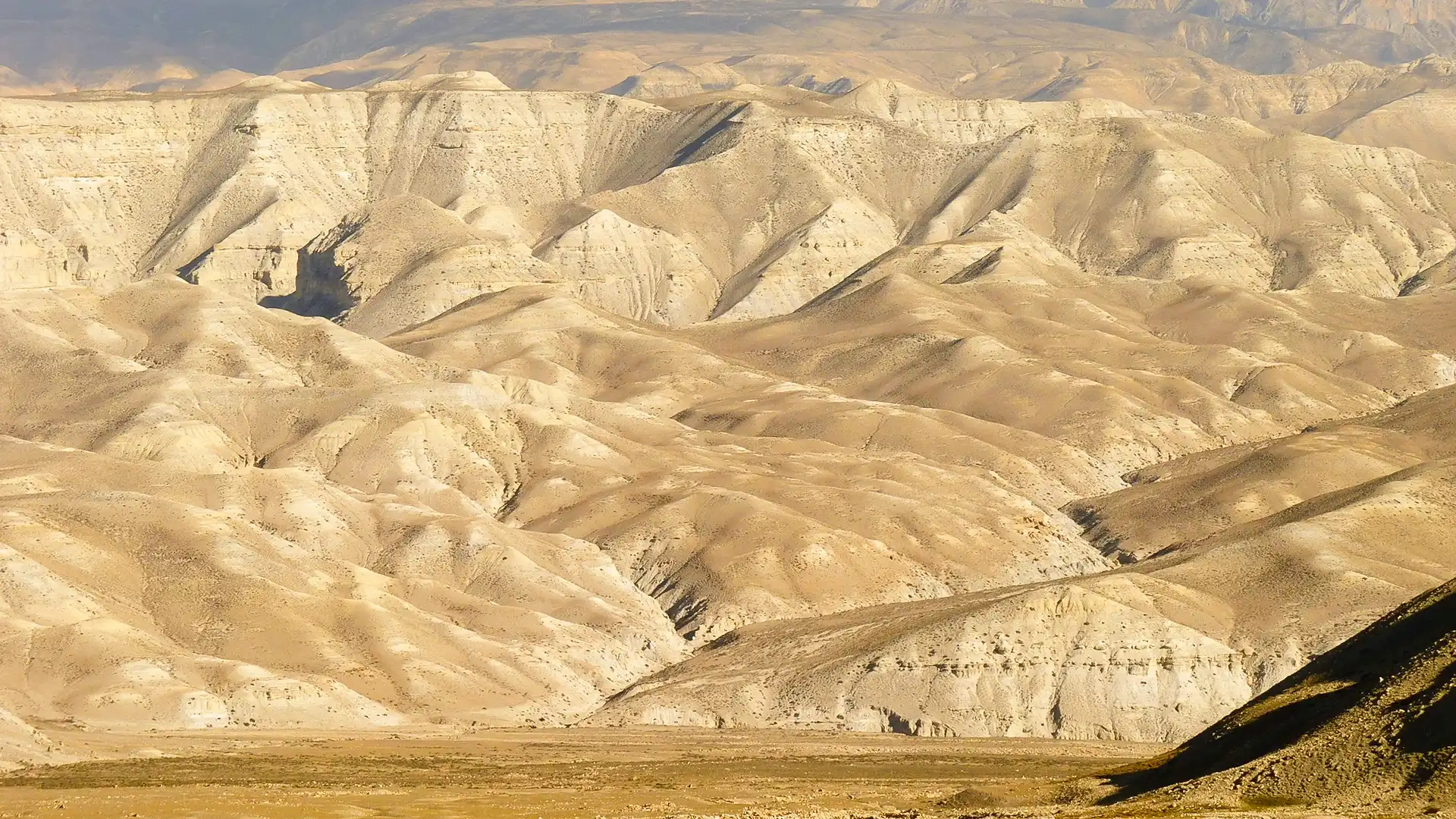
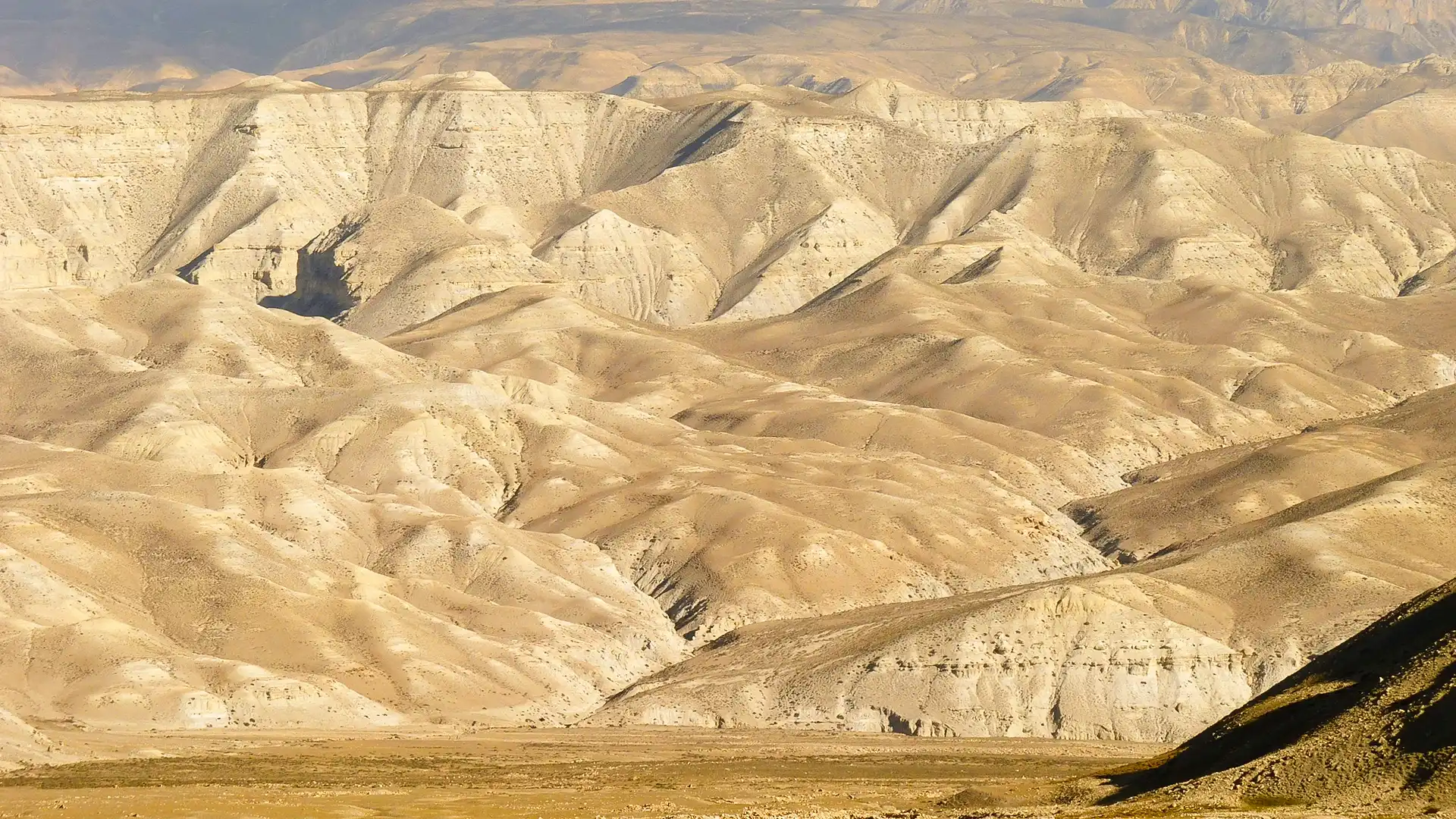
Mustang lies in the rain shadow north of Annapurna and Dhaulagiri, and looks like nowhere else in Nepal. Where the rest of the country is green and steep, Mustang is dry, wind-scoured and coloured in ochre, grey and deep red, a high desert plateau geologically and culturally continuous with the Tibetan plateau beyond it. Upper Mustang was the independent Kingdom of Lo until 1950 and stayed closed to outsiders until 1992. It still requires a special restricted-area permit. The walled capital of Lo Manthang, founded in 1380, holds whitewashed monasteries with medieval murals, and the surrounding cliffs are honeycombed with thousands of man-made sky caves whose original purpose is still debated. The route north follows the Kali Gandaki, which carves the deepest gorge on earth between two eight-thousanders, past the pilgrimage site of Muktinath, sacred to both Hindus and Buddhists. Because the region sits in the rain shadow, it is one of the few places in Nepal that stays trekkable through the summer monsoon, when the rest of the country is under cloud. Trekking here is less about altitude than about atmosphere: old Tibetan Buddhist culture, preserved by isolation, in a landscape that feels closer to Ladakh than to Kathmandu.
A landscape shaped by time and spirit.
Mustang lies in the rain shadow north of Annapurna and Dhaulagiri, and looks like nowhere else in Nepal. Where the rest of the country is green and steep, Mustang is dry, wind-scoured and coloured in ochre, grey and deep red, a high desert plateau geologically and culturally continuous with the Tibetan plateau beyond it. Upper Mustang was the independent Kingdom of Lo until 1950 and stayed closed to outsiders until 1992. It still requires a special restricted-area permit. The walled capital of Lo Manthang, founded in 1380, holds whitewashed monasteries with medieval murals, and the surrounding cliffs are honeycombed with thousands of man-made sky caves whose original purpose is still debated. The route north follows the Kali Gandaki, which carves the deepest gorge on earth between two eight-thousanders, past the pilgrimage site of Muktinath, sacred to both Hindus and Buddhists. Because the region sits in the rain shadow, it is one of the few places in Nepal that stays trekkable through the summer monsoon, when the rest of the country is under cloud. Trekking here is less about altitude than about atmosphere: old Tibetan Buddhist culture, preserved by isolation, in a landscape that feels closer to Ladakh than to Kathmandu.
Featured Treks
- Upper Mustang Trek - 14 Days
- Upper Mustang Trek - 16 Days