 Nepal Visuals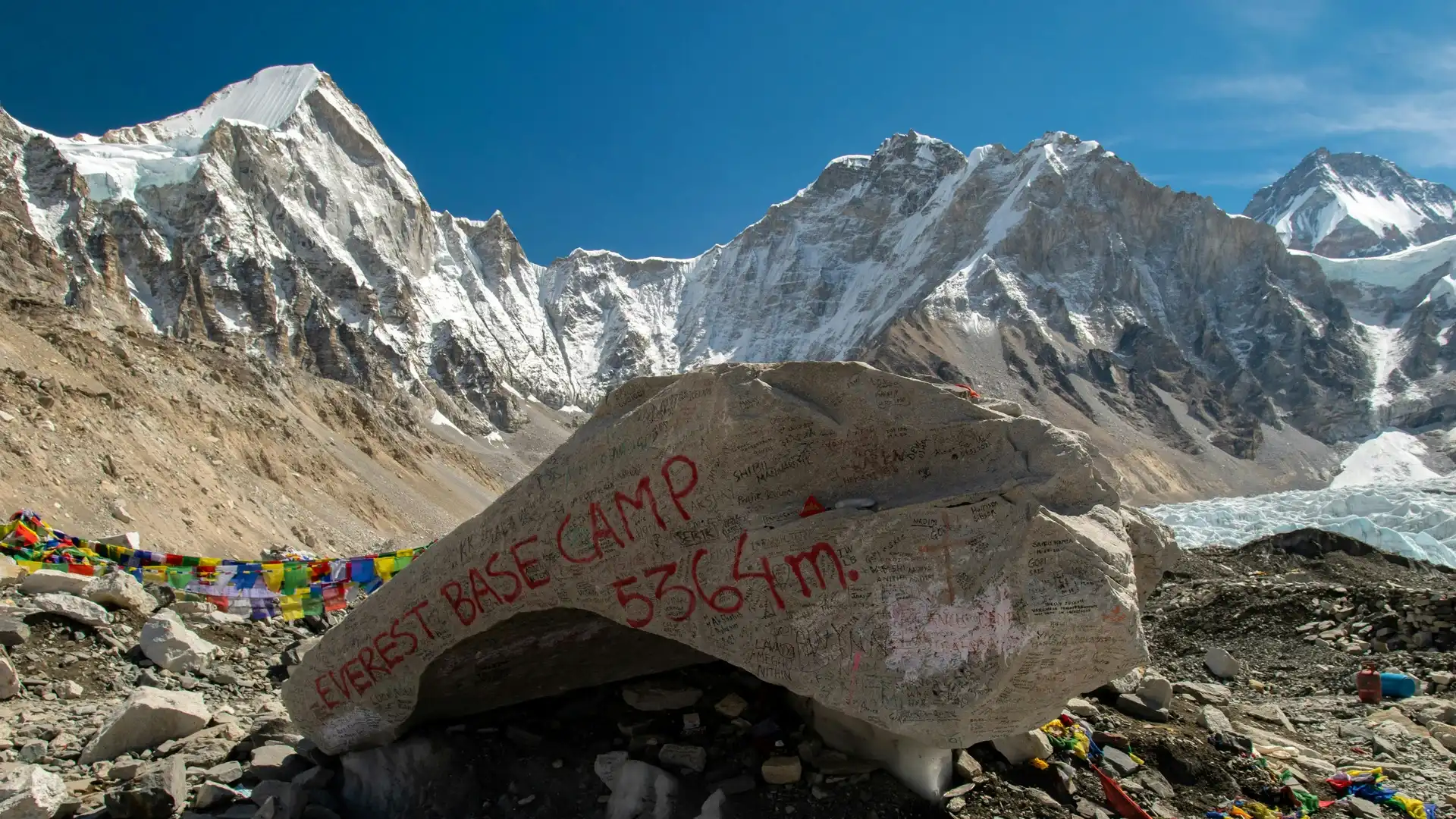
Trekking to the foot of the world’s tallest peak is a legendary feat, but for seniors, the 12-day round trip poses significant physical risks. The Everest Base Camp (EBC) trek with a helicopter return offers a strategic compromise by cutting the physical exertion in half.
On this page(12)
1. The Modern Way to Experience the Himalayas
The Khumbu region of Nepal has long been considered the "Mecca" for high-altitude hikers and mountaineers. For many seniors, reaching the base of Mt. Everest represents the pinnacle of a lifetime of trekking and travel.
However, the traditional route requires walking for nearly two weeks across high-altitude mountain passes. This can be an intimidating prospect for those concerned about joint health, cardiovascular endurance, or recovery time.
The introduction of the "Helicopter Return" trek has revolutionized how seniors approach this legendary trail. By flying back from Gorak Shep to Kathmandu, you eliminate the grueling 4-day descent that often causes the most injuries.
For those interested in the full scope of the journey, you can explore the standard Everest Base Camp trek to compare it with the helicopter variations.
This article serves as an exhaustive resource to help you decide if this specific trekking style is the right fit for your fitness and health.
2. The Physical Reality: Challenges Specific to Mature Trekkers
The Cumulative Fatigue Factor
Trekking at high altitude is not just about the difficulty of a single day; it is about the "cumulative" toll on your body. As we age, our bodies take longer to repair muscle fibers and replenish glycogen stores after a day of exertion.
On a standard EBC trek, you are walking for 8 to 11 days consecutively without significant rest. For seniors, this lack of recovery time can lead to extreme exhaustion by the time you reach the higher villages.
Joint Impact on Rocky Terrain
The trail to Base Camp is not a smooth path; it is a series of uneven stone steps, loose gravel, and steep inclines. The constant jarring of the knees and ankles can aggravate osteoarthritis or past sports injuries common in seniors.
While the ascent is cardiovascularly demanding, the descent is where the most mechanical stress occurs on the joints. Choosing a helicopter return avoids this downhill "pounding," preserving your joint health for future adventures.
3. Altitude Sickness: A Critical Look at the Risks
Understanding Acute Mountain Sickness (AMS)
AMS occurs when the body cannot adapt quickly enough to the decreasing atmospheric pressure and oxygen levels. Symptoms include persistent headaches, loss of appetite, insomnia, and an overall feeling of malaise.
While age itself isn't a direct risk factor for AMS, the underlying health conditions of seniors can complicate the body’s response. It is vital to monitor your oxygen saturation levels daily using a pulse oximeter provided by your guide.
The Importance of Timing
Choosing the right time of year is essential for senior safety, as stable weather reduces the risk of getting caught in freezing storms.
Many experts agree that Spring is the best season for the Everest Base Camp trek with helicopter return due to the clear skies and blooming flora.
4. How the Helicopter Return Changes the Dynamic
The Logistics of the Flight
Most "Heli-Out" treks involve walking from Lukla to Everest Base Camp over 8 or 9 days. Once you reach Gorak Shep (the final settlement), you catch a 5-seater B3e Squirrel helicopter.
The flight takes you directly from the thin air of the Khumbu down to the lush warmth of Kathmandu in about 45 minutes. This specific Everest Base Camp trek with heli return (12 days) is designed to give seniors the perfect balance of adventure and recovery.
Aerial Views as a Reward
The flight back is not just a transport method; it is one of the most scenic mountain flights in the world. You get a "bird’s eye view" of the Khumbu Icefall, the Western Cwm, and the summit of Everest itself.
5. Essential Medical Preparation for Seniors
Pre-Trek Health Screenings
Every senior trekker should undergo a stress test and a full blood panel before flying to Nepal. It is important to check for anemia, as low iron levels will make it nearly impossible for your blood to carry enough oxygen.
Managing Pre-existing Conditions
Chronic conditions like hypertension (high blood pressure) or diabetes must be perfectly controlled before the trek. Altitude can cause blood sugar levels to fluctuate and can increase blood pressure significantly.
6. Training Specifically for Older Adventurers
The 6-Month Training Runway
You cannot "cram" for an Everest trek; you need a slow, progressive build-up of fitness. Seniors should start training at least six months out, focusing on low-impact cardiovascular work.
Focus on Leg Strength and Stability
Strong quadriceps and glutes act as "shock absorbers" for your knees. Simple exercises like wall sits, step-ups, and calf raises can be done at home and make a massive difference.
7. Gear and Equipment: The Senior Checklist
The Importance of High-Quality Trekking Poles
Trekking poles are not optional for seniors; they are essential safety equipment. They reduce the impact on your knees by up to 25% and provide "four-point" stability on uneven ground.
Footwear: Support vs. Weight
Many seniors prefer heavy leather boots for ankle support, but "trail runners" are becoming popular for their lightness. However, for the rocky EBC trail, a mid-cut waterproof boot with a stiff sole is generally the safest bet.
8. Cultural Immersion and Mental Well-being
The Spiritual Heart: Tengboche Monastery
One of the highlights of the trek is visiting the Tengboche Monastery at 3,867 meters. Seniors often find the spiritual atmosphere and the chanting of the monks to be a grounding experience.
Connecting with the Sherpa Community
Seniors often appreciate the cultural nuances of the Khumbu more than younger, faster-paced trekkers. Spending an afternoon in a Sherpa kitchen learning about their traditions provides a deep sense of connection.
9. Detailed Senior-Friendly Itinerary Breakdown
Planning Your Days
For a successful summit, knowing exactly what each day entails is crucial for mental preparation. You can find a comprehensive Everest Base Camp trek with helicopter return day-by-day itinerary to help you visualize the journey.
Day 9-10: Reaching the Goal and the Heli-Out
You will trek to Lobuche and then to Gorak Shep, the final staging point for Base Camp. After reaching EBC and celebrating your achievement, you will board the helicopter for a scenic flight back.
10. Logistics: Choosing the Right Support
Communication and Safety Equipment
Ensure your trekking agency provides a satellite phone and a comprehensive medical kit including emergency oxygen. Guides should be trained in Wilderness First Aid and have a clear protocol for emergency evacuations.
11. Cost Analysis: Luxury vs. Standard
The Price of Safety and Comfort
A standard EBC trek with helicopter return starts at around $2,800 per person. However, prices vary based on inclusions, group size, and seasons.
For a full breakdown of what you should expect to pay, see the EBC with helicopter return cost breakdown for 2026. For seniors, the extra investment often buys a significantly higher success rate and a much more enjoyable experience.
12. Conclusion: Age is Just a Number in the Himalayas
Is the Everest Base Camp trek with a helicopter return suitable for seniors? Yes. With the right preparation, a "slow and steady" mindset, and the logistical advantage of a flight out, it is highly accessible.
It remains one of the most rewarding physical and spiritual journeys an adventurer can take. Don't let the distance deter you—let the helicopter make your Himalayan dream a reality.
Learn More & Plan Your Trip
Full Tour Details: Everest Base Camp Trek (Standard)
The Premier Senior Choice: Everest Base Camp Trek with Heli Return (12 Days)
Seasonal Advice: Why Spring is the Best Time for a Heli-Return Trek
Budget Planning: Cost Breakdown for 2026 EBC Heli Treks
The Full Schedule:Day-by-Day EBC Helicopter Return Itinerary
Sharing route guides and trail experience from the high trails of Nepal.